1901 Nobel Peace Prize(1)
Reason for Award
for founding the International Committee of the Red Cross and inspiring the adoption of the Geneva Convention
Laureates
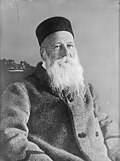
 Switzerland
Explanation
To help wounded soldiers, Henry Dunant created a rescue group that uses a red-cross flag. The flag means doctors can treat anyone—friend or foe—without being attacked. He also asked the world to agree that even in war people must be cared for. This led to the Geneva Convention. Today the Red Cross still protects people on battlefields everywhere.
Related Keywords
International Committee of the Red Cross
Founded in 1863, the ICRC is a civilian relief organization that coordinates national Red Cross and Red Crescent societies worldwide. It provides medical aid, monitors POW treatment, and reunites separated families in wars and disasters. Guided by seven principles—neutrality, independence, impartiality, and others—it assists all sides in a conflict. Headquartered in Geneva, it enjoys a special status under international law. It is the only institution to have received the Nobel Peace Prize multiple times.
Geneva Convention
First adopted in 1864, the Geneva Conventions now comprise four core treaties and three additional protocols. Their aim is to protect wounded soldiers, prisoners of war, and civilians during armed conflict. They define the red-cross emblem and the neutrality of medical personnel, and serious violations constitute war crimes. The 1949 revision, influenced by World War II, covers both international and non-international armed conflicts. Virtually every state is party to the Conventions, making them the cornerstone of international humanitarian law.
A Memory of Solferino
Published in 1862, Henry Dunant’s book gives a vivid account of the Italian War battlefield at Solferino. It describes the agony of untreated wounded soldiers, powerfully appealing to readers’ emotions. The book proposed creating a relief organization and an international treaty, influencing politicians and military leaders alike. Within a year it was translated into several languages, sparking debate across Europe. Without this work, the Red Cross and the Geneva Convention might never have emerged.
neutrality
Neutrality is a core Red Cross principle meaning it must not take sides in hostilities or controversies. Medical units and relief personnel are protected because of their neutral status. The red-cross emblem signals this protection under treaty law. By remaining neutral, the organization secures access to all parties and can continue its work. Maintaining neutrality requires strict operational discipline, including restraint from overt political statements.
international humanitarian law
International humanitarian law (IHL) is the legal framework that protects human dignity during armed conflict, centered on the Geneva and Hague treaties. It is broadly divided into “Hague law,” regulating means and methods of warfare, and “Geneva law,” protecting persons. It safeguards civilians, medical units, and cultural property, and bans indiscriminate attacks and unnecessary suffering. Serious violations are war crimes prosecutable by bodies such as the International Criminal Court. IHL also provides the legal basis for modern peacekeeping and humanitarian operations.