1901 Nobel Peace Prize(2)
Reason for Award
for leading the establishment of the Inter-Parliamentary Union and initiating international peace conferences
Laureates
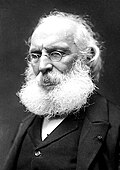
 France
Explanation
Frédéric Passy created the Inter-Parliamentary Union so that members of parliaments around the world could talk with each other. He believed problems between countries should be solved by discussion before fighting starts. He also organized big meetings to set peace rules. If everyone agrees on rules, wars can become fewer—that was his hope. His efforts earned the Nobel Peace Prize.
Related Keywords
Inter-Parliamentary Union
Founded in 1889, the IPU is a global network of parliaments, with almost 180 members today. Its early aims were to advance arbitration courts and disarmament. Recommendations adopted at its annual assemblies are transmitted to national legislatures, urging policy shifts. After World War I it cooperated with the League of Nations and expanded into election monitoring and human-rights defense. Today it promotes inter-parliamentary cooperation on SDGs, climate change, and many other issues.
Permanent Court of Arbitration
Created at the 1899 Hague Peace Conference, the PCA is an intergovernmental body that settles disputes between states and between states and private parties through arbitration. It uses a list-of-arbitrators system, allowing parties to appoint their own arbitrators. Because its authority rests on state consent, it offers a flexible and accessible mechanism. Modern high-profile cases, such as the 2016 South China Sea arbitration, have been heard there. The PCA is a direct institutional outcome of Passy’s advocacy for arbitration.
parliamentary diplomacy
Parliamentary diplomacy is conducted by legislators or parliamentary bodies rather than governments, fostering cross-border policy dialogue and trust building. Its informal nature enables flexible discussion of sensitive topics. The IPU is the earliest example, and the practice continues in bodies like the European Parliament and APEC’s parliamentary meetings. Social media now speeds network formation, making it a pillar of public diplomacy. With democratic legitimacy, parliamentary diplomacy increasingly complements intergovernmental negotiations.
Hague Peace Conference
Held in 1899 and 1907 at Tsar Nicholas II’s initiative, the Hague Conferences dealt with the laws of war and arms limitation. The first conference created the Permanent Court of Arbitration and adopted the Hague Regulations on land warfare. Civil society lobbying by Passy and others helped bring the meetings about. The second conference added naval war rules and preventive diplomacy measures. Their outcomes laid groundwork for the League of Nations and the United Nations.
arbitration
Arbitration resolves disputes by having parties accept the decision of a mutually chosen third party, offering more flexibility and confidentiality than courts. From the late 19th century it gained prominence as a peaceful means of settling interstate conflicts. Passy supported treaties like the Anglo-American Arbitration Treaty and sought a universal arbitration pact. Success stories include the Newfoundland Fisheries dispute (1910). Today arbitration is widely used in investment disputes (ISDS) and territorial issues.