1902 Nobel Peace Prize(1)
Reason for Award
for his untiring and skilful directorship of the Bern Peace Bureau (International Peace Bureau)
Laureates
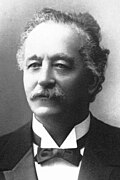
 Switzerland
Explanation
Élie Ducommun worked so that countries would not fight with weapons. In Bern, Switzerland, he started an office called the International Peace Bureau and asked everyone to solve problems by talking. Nearly without pay, he wrote letters every day and spread peace news around the world. Thanks to him, meetings of national leaders were held and disputes began to be settled with words, not guns. This steady work earned him the Nobel Peace Prize.
Related Keywords
International Peace Bureau
Founded in Bern in 1891, the International Peace Bureau (IPB) is one of the oldest international NGOs. Its core mission is to promote arbitration and dialogue instead of armed force as means of settling disputes. The Bureau convenes annual peace congresses that issue joint resolutions aimed at shaping international public opinion. From its inception it advocated disarmament and a permanent court of arbitration, influencing the agenda of the First Hague Peace Conference. Today the IPB still campaigns for nuclear disarmament and non-violent action, acting as a bridge between governments and civil society.
Arbitration
Arbitration means that disputing parties agree to submit their case to a neutral third party and abide by its award. In the late 19th century the Alabama Claims arbitration between Britain and the United States became a celebrated success. The International Peace Bureau sought to extend this model by advocating a permanent multilateral court of arbitration. Arbitration offers lower costs of war avoidance and relatively swift rulings. Today it remains central in international commercial and investment disputes and is recognised as a peaceful means of conflict resolution.
Disarmament
Disarmament is a policy aimed at reducing the weapons and troops held by states. In the late 19th century great powers engaged in naval expansion races, raising fiscal burdens and tensions. The IPB used statistical evidence to criticise the economic waste of armaments and lobbied parliaments to cut defence budgets. Theoretically, disarmament contributes to confidence-building and eases the security dilemma. This idea informed the Washington Naval Treaty of the 1920s and later nuclear arms limitation talks.
Bern
Bern, the federal capital of Switzerland, is the focal point of the neutral country’s diplomacy. In the late 19th century it developed a culture of hosting international secretariats. As a railway hub, it offered easy access for delegates from many countries. Besides the IPB, the Universal Postal Union (UPU) also established its headquarters in Bern. The city’s multilingual environment facilitated international NGO operations.
Grass-roots peace movement
Grass-roots peace movements are driven by individuals and civil groups rather than governments, advocating against war and for disarmament. Advances in printing and postal services allowed pamphlets and letters to spread quickly. By the late 19th century religious groups, trade unions and women’s organisations all joined the cause. The IPB acted as a platform linking these actors and forging international solidarity. This model inspired later campaigns such as nuclear disarmament and climate justice movements.
Annual peace congress
The annual peace congress brings together delegates of member organisations for reports and resolutions. The IPB hosted the congress in a different city each year, using local media coverage to raise public awareness. Both research findings and policy proposals were presented, creating a dialogue between scholars and politicians. Simultaneous interpretation in several languages was introduced, improving procedural transparency. The congress contributed to the standardisation of international conference management.
Arbitration treaties
Arbitration treaties are international agreements in which states pledge to settle disputes by third-party arbitration or mediation instead of force. From the late 19th century such treaties were signed bilaterally or multilaterally. The IPB drafted model texts and lobbied parliaments for ratification. These treaties supplied a legal framework for war prevention and fostered the development of international law. The establishment of the Permanent Court of Arbitration at The Hague continued this trajectory.