1903 Nobel Peace Prize
Reason for Award
as Secretary of the International Arbitration League
Laureates
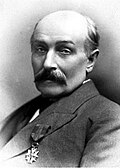
 United Kingdom of Great Britain and Northern Ireland
Explanation
Long ago in Britain there was a man named Randal Cremer, a former carpenter who became a politician. He wanted countries to stop fighting and solve problems by talking through a system called "international arbitration." As Secretary of the International Arbitration League, he wrote letters to parliaments around the world and held meetings about peace. The idea was to let a fair judge decide instead of nations hurting each other. For his many years of hard work he received the Nobel Peace Prize in 1903.
Related Keywords
international arbitration
A mechanism by which disputes between states or companies are submitted to a neutral third party instead of being settled by force or sanctions. It combines impartiality with legal enforceability and laid the groundwork for bodies such as the Permanent Court of Arbitration and ICSID.
International Arbitration League
A civic organization founded in London in 1880 that united parliamentarians, workers and religious leaders to campaign for arbitration treaties and to promote peace congresses. Cremer served as its secretary, handling day-to-day administration and publicity.
Hague Peace Conferences
Governmental meetings held in The Hague in 1899 and 1907 to discuss the laws of war and peaceful dispute settlement, resulting in the creation of the Permanent Court of Arbitration. Lobbying by peace activists like Cremer helped set the stage for these conferences.
Permanent Court of Arbitration
An international body created by the Hague Conferences. States submit lists of arbitrators, and disputing parties compose an ad-hoc tribunal from those lists. It served as a precursor to today’s broader system of international adjudication.
inter-parliamentary diplomacy
Diplomatic activity carried out by legislators in their personal capacity rather than by governments, typified by the IPU. It addresses issues such as peace, human rights and climate change. Cremer was a central figure in its formative years.
disarmament
The reduction of a state’s weapons and armed forces to lessen economic burdens and lower the likelihood of war. It became a central political issue from the late 19th century alongside the growth of peace movements and international legal frameworks.
peace movement
A collective term for social movements by citizens, religious actors and workers advocating anti-war, disarmament and international cooperation. Cremer’s work bridged labor activism and parliamentary politics, outlining a new model for such movements.