1911 Nobel Peace Prize(2)
Reason for Award
Founding of the German Peace Society
Laureates
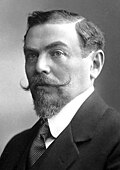
 Austro-Hungarian Empire
Explanation
Alfred Fried wanted a world without fighting. He started a group called the German Peace Society to teach people about the dangers of war and the value of talking things out. He wrote books and newspaper articles in simple language so everyone could understand. The group grew as more people joined. By raising their voices together, they pushed the government to hear the message "We don’t want war," helping peace ideas spread.
Related Keywords
German Peace Society
Founded in 1892, the German Peace Society was Germany’s first nationwide peace organization. Membership included not only intellectuals but also women and workers, giving it a broad social base. It popularized pacifism through pamphlets, posters, and public debates. Before World War I it organized more than 40,000 people and lobbied parliament with petitions and election campaigns against militarism. Scholars view it as a prototype of modern civil-society movements.
Alfred Hermann Fried
Born in 1864, Alfred Hermann Fried was an Austrian journalist whose printing business disseminated peace literature. He organized the German Peace Society and founded the journal "Die Friedens-Warte." In serialized articles he linked international arbitration with disarmament through concrete proposals and called for global governance. He continued peace advocacy in exile during World War I. His ideas influenced the foundation of the League of Nations and resonate in modern peace studies.
anti-militarism
Anti-militarism opposes the idea that military power should be a central national value and instead prioritizes security through diplomacy, education, and culture. In late-19th-century Europe, arms races often served as symbols of national unity. Fried argued that "military power produces insecurity, not safety." He campaigned against conscription and for cuts in military budgets, stressing the watchdog role of citizens. The anti-militarist tradition later underpinned nuclear disarmament and non-violent movements.
peace education
Peace education teaches children and adults to solve problems through cooperation rather than violence. Fried criticized schoolbooks for glorifying war and proposed teaching the history of international cooperation instead. He organized teachers’ guides and reading clubs, spreading techniques of dialogue and mutual understanding. Today, initiatives like UNESCO’s "Culture of Peace" programs carry this legacy forward. Peace education is seen as a pillar for conflict prevention and the deepening of democracy.
international peace movement
The international peace movement refers to the solidarity actions of citizens and organizations that seek peace across state and ethnic boundaries. Advances in communications in the late 19th century—newspapers and telegraphs—created networks for sharing ideals. Through the International Peace Bureau (IPB), Fried connected groups worldwide, holding annual congresses for information exchange and joint declarations. These transnational networks foreshadowed modern NGOs and global campaigns such as the land-mine ban. The history of peace movements provides many examples of grassroots voices influencing international treaties.