1925 Nobel Peace Prize(1)
Reason for Award
for his crucial role in bringing about the Locarno Treaties
Laureates
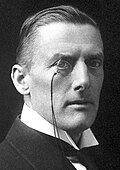
 United Kingdom of Great Britain and Northern Ireland
Explanation
After World War I, many European countries were still angry with each other. Mr. Chamberlain helped set up meetings so the countries could make peace again. The result was the Locarno Treaties—promises that they would not fight and would respect their borders. It is like friends who have argued deciding together, “We won’t be mean anymore.” Because he worked so hard for peace, he received the Nobel Peace Prize.
Related Keywords
Locarno Treaties
A set of European collective security agreements signed in Locarno, Switzerland, in 1925. Reaffirmed Rhineland demilitarization and had the UK and France guarantee Germany’s borders with France and Belgium. Notable for codifying League-based dispute settlement.
collective security
A security arrangement in which several states cooperate to deter or respond to aggression. Locarno is considered an early experiment linked to the League of Nations.
League of Nations
An intergovernmental organization formed after WWI to provide a framework for peaceful dispute resolution. The Locarno Treaties integrated League Covenant procedures into their enforcement.
Rhineland Demilitarized Zone
An area in western Germany where military forces were prohibited under the Treaty of Versailles. Locarno reaffirmed this status and stipulated immediate sanctions for violations.
triangular negotiation
A diplomatic method in which a third party mediates between two opposing states. Chamberlain positioned the UK, France, and Germany as vertices of a triangle to broker compromise.