1926 Nobel Peace Prize
Reason for Award
for their crucial role in bringing about the Locarno Treaty
Laureates
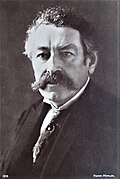
 France
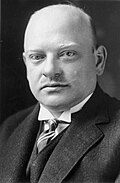
 German Reich
Explanation
After World War I, European countries did not want another big war. Mr. Briand from France and Mr. Stresemann from Germany talked together and made an agreement called the Locarno Treaty. The treaty promised to respect borders and solve problems by talking, not fighting. It is like making classroom rules so friends will not quarrel. Because of their hard work they received the Nobel Peace Prize. Their example teaches people everywhere how important peace is.
Related Keywords
Locarno Treaties
A series of agreements signed in Locarno, Switzerland, in 1925. They guaranteed the inviolability of Western European borders and mandated peaceful dispute settlement, symbolizing détente after World War I. The resulting “Spirit of Locarno” fostered cooperation and laid groundwork for collective security in the inter-war period.
collective security
A mechanism in which several states act together to deter or stop aggression and thus secure each other’s safety. In Locarno, Britain and Italy served as guarantors, pledging collective action against any violator. The concept underpins institutions such as the League of Nations, the United Nations, and NATO.
League of Nations
An international peace organization founded in 1920 that promoted disarmament and arbitration. Locarno’s success led to Germany’s admission in 1926, improving the League Council’s balance. Although ultimately limited, it set important precedents for multilateral cooperation.
Treaty of Versailles
The 1919 peace treaty ending World War I, imposing reparations and military limits on Germany. Locarno functioned as a confidence-building measure within this strict framework, reaffirming Western borders and making the Versailles order more flexible yet stable.
Franco-German reconciliation
After decades of conflict, France and Germany formally recognized each other’s borders and security through Locarno. This milestone paved the way for the Élysée Treaty and European Union integration, becoming a cornerstone of continental peace.
Foreign Minister
A cabinet official who directs a state’s foreign policy and represents it in treaty negotiations and international conferences. As foreign ministers, Briand and Stresemann led the Locarno talks, demonstrating how individual leadership can shape international peace.
Kellogg–Briand Pact
The 1928 treaty renouncing war as a means of national policy. Inspired partly by Briand’s Locarno experience, it spread the idea of making war illegal on a global scale. Its legal principles were later embedded in the UN Charter.