1930 Nobel Peace Prize
Reason for Award
for promoting Christian unity (ecumenism) and for his efforts to involve the Christian churches in the work for world peace
Laureates
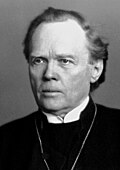
 Sweden
Explanation
Mr. Söderblom asked churches around the world to stop fighting and be friends. He believed that when churches get along, countries will also be less likely to quarrel. He organized important meetings so everyone could talk together. Because of that, people felt that “peace is something we all make together.” Just like families gather at Christmas to talk kindly, nations and churches could gather to plan peace. His work still inspires peace activities today.
Related Keywords
ecumenism
A movement in which different Christian denominations seek unity through dialogue and cooperation, respecting doctrinal differences while emphasizing a shared social mission.
World Conference of Churches
An international meeting held in Stockholm in 1925 that placed issues such as labour conditions and disarmament on the agenda and outlined how churches could engage social problems.
moral disarmament
An idea that peace requires not only the reduction of weapons but also the removal of hatred from people’s minds, advocated by Söderblom and various peace organizations.
freedom of religion
The right of individuals and groups to choose and practice their faith; Söderblom regarded this right as a prerequisite for peace.
international peace conference
A forum in which states, religious bodies, and civic groups discuss conflict prevention and disarmament; churches took an active role in such conferences in the 1920s.
World Council of Churches
An ecumenical organization founded after World War II, institutionalizing and expanding Söderblom’s original vision.