1974 Nobel Peace Prize(1)
Reason for Award
for his deep commitment to human rights, his role in drafting the European Convention on Human Rights through the Council of Europe, his help in founding Amnesty International, and his service as Secretary-General of the International Commission of Jurists
Laureates
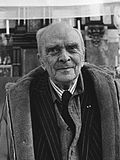
 Ireland
Explanation
Seán MacBride worked hard so people all over the world could live safely and happily. He helped countries make rules, called a Human Rights Convention, so everyone could speak freely and get help when they are in trouble. He also started a group named Amnesty that tries to free people who are unfairly put in prison. By doing these things he made life better for many people, and that is why he received the Nobel Peace Prize.
Related Keywords
human rights
Human rights are the freedoms and entitlements inherent to all people. They include freedom of thought, expression, and freedom from torture, among many others. After World War II, the concept became central to international law. The UN and regional bodies have codified rights in treaties and courts, allowing individuals to seek redress. MacBride’s work strengthened both the legal framework and the grassroots movements that support these rights.
European Convention on Human Rights
Adopted in 1950 by Council of Europe member states, the convention created the unique European Court of Human Rights where individuals may sue their own state. Even during the Cold War, it set cross-bloc human-rights standards. A violation judgment requires legal reforms or compensation, giving the treaty strong bite. MacBride was pivotal in drafting and lobbying for ratification.
Amnesty International
Founded in 1961, Amnesty International is a global NGO that campaigns for the release of prisoners of conscience and the abolition of torture. It combines grassroots membership groups with a centralized secretariat. Letter-writing campaigns and investigative reports are used to pressure governments. The organization won the Nobel Peace Prize in 1977, highlighting the power of global public opinion. MacBride played a major role in its formative strategy and structure.
International Commission of Jurists
Established in 1952, the International Commission of Jurists is a network of lawyers dedicated to the rule of law and human-rights protection. During decolonization it assisted in drafting new constitutions, spreading judicial independence and fundamental rights clauses. It issues policy recommendations to UN bodies and publishes country reports. Though an NGO, it commands high expert credibility. MacBride, as Secretary-General, expanded the organization’s reach and influence.
NGO advocacy
NGO advocacy denotes efforts by non-governmental groups to influence policy. Tools include reports, lobbying, and public campaigns. By increasing transparency and citizen participation, advocacy accelerates social change. MacBride’s work helped codify these tactics for international NGOs. Modern movements on climate change and digital rights use similar methods.