1998 Nobel Peace Prize
Reason for Award
for their efforts to find a peaceful solution to the conflict in Northern Ireland
Laureates
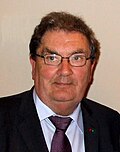
 United Kingdom of Great Britain and Northern Ireland
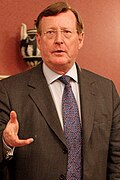
United Kingdom of Great Britain and Northern Ireland
Explanation
In Northern Ireland, Catholic and Protestant communities had been fighting for many years. John Hume and David Trimble kept talking to each other and helped make a promise to stop the fighting. This promise is called the Good Friday Agreement and it set rules so everyone could live peacefully. They chose to listen to the other side instead of being afraid. Because of their work, towns became safer and children could go to school without fear. The Nobel Peace Prize praised their bravery and effort.
Related Keywords
Northern Ireland conflict (The Troubles)
A political, ethnic and religious conflict lasting from the late 1960s until 1998, causing over 3,500 deaths with bombings and shootings becoming routine. The core divide lay between unionists favouring continued UK membership and nationalists seeking Irish reunification. The presence of British troops and emergency legislation complicated civil-rights grievances. The peace trajectory matured through the 1985 Anglo-Irish Agreement and the 1994 ceasefires, culminating in the Good Friday Agreement that institutionalised a political framework for power sharing.
Good Friday Agreement
A cornerstone peace accord signed on 10 April 1998. It created a power-sharing assembly, North-South cooperation bodies and a timetable for decommissioning weapons. Referendums yielded 71% support in Northern Ireland and 94% in the Republic of Ireland, conferring democratic legitimacy. Implementation was underpinned by EU and US financial and political support. The agreement is frequently cited in conflict-resolution studies as a practical application of the consociational model.
Power sharing
An institutional design in which rival groups jointly exercise political authority. In Northern Ireland it includes proportional representation and a dual First-Minister system to prevent minority exclusion. A mutual-veto mechanism requires cross-community consent for key decisions. Considered a flagship application of consociational theory, it is often compared with arrangements in Lebanon and Bosnia. Long-term stability depends on addressing economic disparities and reaching agreement on symbolic issues.
Decommissioning
The post-agreement process by which illegal armed groups destroy or seal their weapons. In Northern Ireland, the Independent International Commission on Decommissioning supervised the process, and the IRA completed major weapons disposal in 2005. Progress served as a barometer of political trust; delays triggered suspensions of the assembly. Transparency and verification were vital for reassuring the public. Comparable mechanisms have been applied to FARC in Colombia and Maoist forces in Nepal.
Civil rights movement
A late-1960s non-violent campaign by mainly Catholic residents demanding an end to gerrymandering and housing discrimination. The 1972 ‘Bloody Sunday’ in Derry, where British troops shot demonstrators, intensified violent reprisals. John Hume was a central leader, adopting tactics from the US civil-rights movement. The protests drew international attention and spurred legal reforms in the UK Parliament, yet paradoxically boosted support for the IRA. Historically, the movement was crucial in creating societal awareness that later underpinned peace negotiations.
Hume–Adams Initiative
A peace initiative developed through secret meetings between John Hume and Sinn Féin leader Gerry Adams in 1993-94. It called for an unconditional ceasefire and inclusive negotiations, paving the way for the IRA’s 1994 truce. Often referred to as the ‘New Agenda’, it symbolised a strategic shift to dialogue. Although heavily criticised by unionist leaders at the time, it ultimately laid groundwork for the Good Friday Agreement.
Referendum
The 22 May 1998 plebiscite on ratifying the Good Friday Agreement. In Northern Ireland turnout was 81% with 71.1% in favour, granting democratic legitimacy to the accord. A simultaneous referendum in the Republic of Ireland approved constitutional changes by 94%, demonstrating cross-border popular support. The successful dual referendum validated the ‘double-majority’ endorsement model discussed in conflict-resolution scholarship.