1905 Nobel Prize in Literature
Reason for Award
for his outstanding merits as an epic writer
Laureates
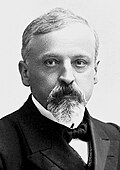
 Poland
Explanation
Henryk Sienkiewicz was a Polish writer who retold events from long ago so people everywhere could enjoy and learn from them. His books are filled with adventure, bravery and kindness toward family and friends. When you read them, it feels like jumping into a time machine and visiting the past. His famous novel “Quo Vadis” shows early Christians in ancient Rome who keep their hope even when treated badly. The Nobel judges thought his long, moving stories were wonderful, so he received the Nobel Prize in Literature in 1905. Since then, children and adults around the world have picked up his books.
Related Keywords
epic poetry
Epic poetry is a literary genre that narrates heroic deeds and national history in a lengthy form. Although Sienkiewicz wrote prose novels, he incorporated poetic rhythm and grand scale typical of epics. His narrator weaves themes of war, love and faith, eliciting timeless empathy from readers. Scholars often compare his work to Homer’s ancient epics or medieval chansons de geste. The Nobel Committee labeled his novels “modern prose epics” and honored their sophisticated narrative craft.
historical novel
The historical novel builds fiction upon real events and figures. Sienkiewicz carried out meticulous archival research, transforming wars and political negotiations into compelling narratives. His skillful balance of fact and imagination lets readers enjoy both entertainment and scholarly value. The Polish Trilogy depicts the warfare-torn 17th century and revived historical consciousness among Poles. Contemporary writers and filmmakers are still influenced by his method.
Polish independence movement
After the partitions of the late 18th century, Poland remained under foreign rule for generations. Literature became a key medium for preserving national identity, and Sienkiewicz offered spiritual resistance through storytelling. His heroes embodied liberty and loyalty to the homeland, giving readers hope. Such cultural activity helped prepare social ground for the 1918 restoration of independence. Literary historians cite his work as an indirect influence on political mobilization.
Quo Vadis
Published in 1896, this long novel is set in the time of Emperor Nero and follows the romance and faith of Roman officer Marcus and Christian woman Lygia. Vivid scenes of persecution and martyrdom heighten tension and expose conflicts between humanity and power. Translated into more than 50 languages, it became a bestseller of the early 20th century. Numerous film and opera adaptations testify to its impact, and scholars study it as a blend of religious literature and popular entertainment.
Polish language
Sienkiewicz incorporated dialects and archaic forms as well as standard Polish, imprinting linguistic diversity onto his texts. This choice served as cultural resistance against the Russian Empire’s Russification policies. Vocabulary and stylistic shifts indicate social class, adding realism for readers. His works later became valuable sources for lexicographers and historical linguists. Translators often remark on the difficulty of rendering these nuances in other languages.
The Trilogy
Composed of “With Fire and Sword” (1884), “The Deluge” (1886), and “Pan Wołodyjowski” (1888), the Trilogy totals more than 250,000 words. Set amid the wars of the 17th-century Polish–Lithuanian Commonwealth, it interweaves fictional and historical figures at turning points in history. Printed serially, new installments caused readers to crowd railway stations to purchase the latest newspapers, according to anecdotes. Critics praise the structure for combining national historiography with the moral growth of individuals. Beyond film adaptations, recent years have seen attempts to translate the story into games and comics.