Nobel Prize in Literature
As specified in his 1895 will, Alfred Nobel established the prize to recognize outstanding literary achievements. First awarded in 1901 to Sully Prudhomme, the Nobel Prize in Literature has been presented annually since. Nominees are proposed by qualified individuals and organizations, including PEN clubs, universities, and literary societies, and the laureate is selected by the Swedish Academy. Recipients receive a gold medal, a diploma, and a cash award, and the award ceremony is held each year on December 10 in Stockholm. The prize is normally awarded to a single individual, posthumous awards are not permitted, and nomination records remain sealed for 50 years.
121
Laureates
1901~
First awarded
Swedish Academy
Presented by
Prizes
View all laureates2024
for her intense poetic prose that confronts historical traumas and exposes the fragility of human life
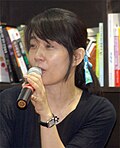
 Korea (the Republic of)
2023
for his innovative plays and prose which give voice to the unsayable
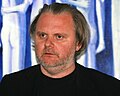
 Norway
2022
for the courage and clinical acuity with which she uncovers the roots, estrangements and collective restraints of personal memory
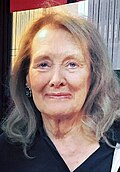
 France
2021
for his uncompromising and compassionate penetration of the effects of colonialism and the fate of the refugee in the gulf between cultures and continents
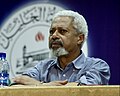
 United Kingdom of Great Britain and Northern Ireland
2020
for her unmistakable poetic voice that with austere beauty makes individual existence universal
 United States of America
2019
for an influential work that, with linguistic ingenuity, has explored the periphery and the specificity of human experience
 Austria
2018
for a narrative imagination that with encyclopedic passion represents the crossing of boundaries as a form of life
 Poland
2017
for novels of great emotional force that uncover the abyss beneath our illusory sense of connection with the world
United Kingdom of Great Britain and Northern Ireland
2016
for having created new poetic expressions within the great American song tradition
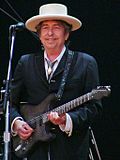
United States of America
2015
for her polyphonic writings, a monument to suffering and courage in our time
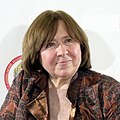
 Belarus
2014
for the art of memory with which he has evoked the most ungraspable human destinies and uncovered the life-world of the occupation
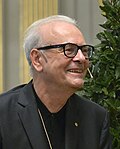
France
2013
for being a master of the contemporary short story
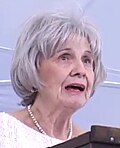
 Canada
2012
for his work that, with hallucinatory realism, merges folk tales, history and the contemporary

 China
China
2011
because, through his condensed, translucent images, he gives us fresh access to reality
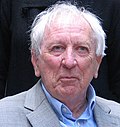
 Sweden
2010
for his cartography of structures of power and his trenchant images of the individual's resistance, revolt, and defeat
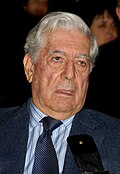
 Peru,
Peru,  Spain
Spain
2009
who, with the concentration of poetry and the frankness of prose, depicts the landscape of the dispossessed
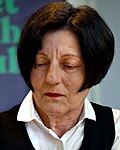
 Germany
2008
author of new departures, poetic adventure and sensual ecstasy, explorer of a humanity beyond and below the reigning civilization
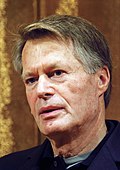
France,  Mauritius
2007
that epicist of the female experience, who with scepticism, fire and visionary power has subjected a divided civilisation to scrutiny
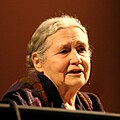
United Kingdom of Great Britain and Northern Ireland,  Zimbabwe
2006
who, in the quest for the melancholic soul of his native city, has discovered new symbols for the clash and interlacing of cultures
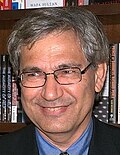
 Turkey
2005
for plays that uncover the precipice beneath everyday prattle and force entry into oppression's closed rooms
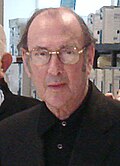
United Kingdom of Great Britain and Northern Ireland
2004
for her musical flow of voices and counter-voices in novels and plays that with extraordinary linguistic zeal reveal the absurdity of society’s clichés and their subjugating power

Austria
2003
for portraying, in innumerable guises, the surprising involvement of the outsider

 Australia,
  South Africa
2002
for pursuing the possibility of living and thinking as an individual in a time when people were compelled to submit to overwhelming social pressure
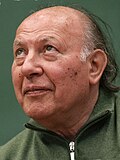
 Hungary
2001
for having united perceptive narrative and incorruptible scrutiny in works that compel us to see the presence of suppressed histories
United Kingdom of Great Britain and Northern Ireland
2000
for an œuvre of universal validity, bitter insights and linguistic ingenuity, which has opened new paths for the Chinese novel and drama
France, China
1999
whose frolicsome black fables portray the forgotten face of history
Germany
1998
who with parables sustained by imagination, compassion and irony continually enables us once again to apprehend an elusory reality
 Portugal
1997
for emulating the jesters of the Middle Ages in scourging authority and upholding the dignity of the downtrodden
 Italy
Italy
1996
for poetry that with ironic precision allows the historical and biological context to come to light in fragments of human reality
Poland
1995
for works of lyrical beauty and ethical depth, which exalt everyday miracles and the living past
 Ireland
1994
who with poetic force creates an imagined world, where life and myth condense to form a disconcerting picture of the human predicament today
 Japan
Japan
1993
who in novels characterized by visionary force and poetic import, gives life to an essential aspect of American reality
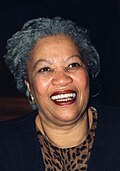
United States of America
1992
for a poetic oeuvre of great luminosity, sustained by a historical vision, the outcome of a multicultural commitment
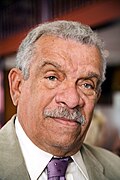
 Saint Lucia
1991
who through her magnificent epic writing has – in the words of Alfred Nobel – been of very great benefit to humanity
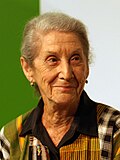
South Africa
1990
for impassioned writing with wide horizons, characterized by sensuous intelligence and humanistic integrity
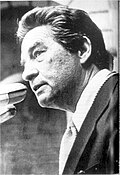
 Mexico
1989
for a rich and intensive prose, which with restrained compassion forms a challenging vision of man's vulnerability
Spain
1988
who, through works rich in nuance – now clear-sightedly realistic, now evocatively ambiguous – has formed an Arabian narrative art that applies to all mankind
 Egypt
Egypt
1987
for an all-embracing authorship, imbued with clarity of thought and poetic intensity
United States of America
1986
who, in a wide cultural perspective and with poetic overtones, fashions the drama of existence
 Nigeria
1985
for novels that combine the poet's and the painter's creativeness with a deepened awareness of time in the depiction of the human condition
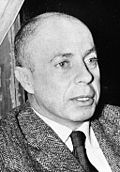
France
1984
for his poetry which, endowed with freshness, sensuality and rich inventiveness, provides a liberating image of the indomitable spirit and versatility of man
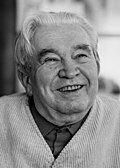
 Czechoslovakia
1983
for his novels which, with the perspicuity of realistic narrative art and the diversity and universality of myth, illuminate the human condition in the world of today
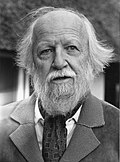
United Kingdom of Great Britain and Northern Ireland
1982
for his novels and short stories in which the fantastic and the realistic are combined in a richly composed world of imagination, reflecting a continent's life and conflicts
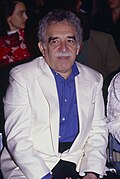
 Colombia
1981
for writings marked by a broad outlook, a wealth of ideas and artistic power
United Kingdom of Great Britain and Northern Ireland
1980
who with uncompromising clear-sightedness voices man's exposed condition in a world of severe conflicts
Poland
1979
for his poetry, which, against the background of Greek tradition, depicts with sensuous strength and intellectual clear-sightedness modern man's struggle for freedom and creativeness
 Greece
1978
for his impassioned narrative art which, with roots in a Polish-Jewish cultural tradition, brings universal human conditions to life
United States of America, Poland
1977
for a creative poetic writing which illuminates man's condition in the cosmos and in present-day society, at the same time representing the great renewal of the traditions of Spanish poetry between the wars
Spain
1976
for the human understanding and subtle analysis of contemporary culture that are combined in his work
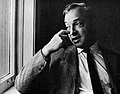
United States of America
1975
for his distinctive poetry which, with great artistic sensitivity, has interpreted human values under the sign of an outlook on life with no illusions
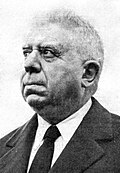
Italy
1974
for a narrative art, far-seeing in lands and ages, in the service of freedom
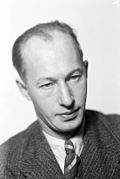
Sweden
for writings that catch the dewdrop and reflect the cosmos
Sweden
1973
for an epic and psychological narrative art which has introduced a new continent into literature
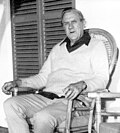
Australia
1972
for his writing which through its combination of a broad perspective on his time and a sensitive skill in characterization has contributed to a renewal of German literature
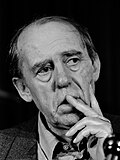
Germany
1971
for a poetry that with the action of an elemental force brings alive a continent's destiny and dreams
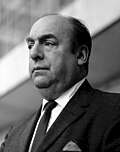
 Chile
Chile
1970
for the ethical force with which he has pursued the indispensable traditions of Russian literature
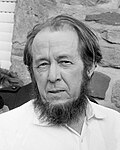
 Soviet Union
1969
for his writing, which – in new forms for the novel and drama – in the destitution of modern man acquires its elevation
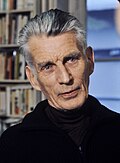
Ireland
1968
for his narrative mastery, which with great sensibility expresses the essence of the Japanese mind
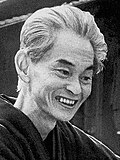
Japan
1967
for his vivid literary achievement, deep-rooted in the national traits and traditions of Indian peoples of Latin America
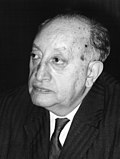
 Guatemala
1966
for his profoundly characteristic narrative art with motifs from the life of the Jewish people
 Israel
for her outstanding lyrical and dramatic writing, which interprets Israel's destiny with touching strength
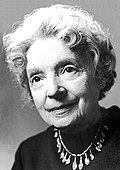
Germany, Sweden
1965
for the artistic power and integrity with which, in his epic of the Don, he has given expression to a historic phase in the life of the Russian people
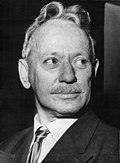
Soviet Union
1964
for his work which, rich in ideas and filled with the spirit of freedom and the quest for truth, has exerted a far-reaching influence on our age
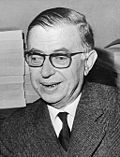
France
1963
for his eminent lyrical writing, inspired by a deep feeling for the Hellenic world of culture
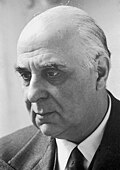
 Kingdom of Greece
1962
for his realistic and imaginative writings, combining as they do sympathetic humour and keen social perception
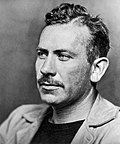
United States of America
1961
for the epic force with which he has traced themes and depicted human destinies drawn from the history of his country
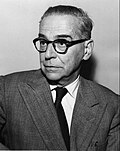
 Yugoslavia
1960
for the soaring flight and evocative imagery of his poetry which in a visionary fashion reflects the conditions of our time
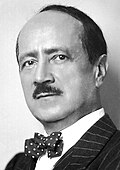
France
1959
for his lyrical poetry, which with classical fire expresses the tragic experience of life in our own times
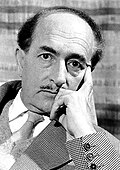
Italy
1958
for his important achievement both in contemporary lyrical poetry and in the field of the great Russian epic tradition
Soviet Union
1957
for his important literary production, which with clear-sighted earnestness illuminates the problems of the human conscience in our times
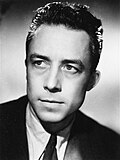
France
1956
for his lyrical poetry, which in Spanish language constitutes an example of high spirit and artistic purity
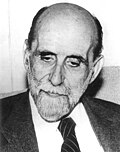
Spain
1955
for his vivid epic power which has renewed the great narrative art of Iceland
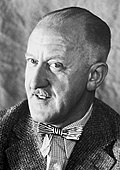
 Iceland
1954
for his mastery of the art of narrative, most recently demonstrated in The Old Man and the Sea, and for the influence that he has exerted on contemporary style
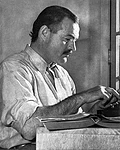
United States of America
1953
for his mastery of historical and biographical description as well as for brilliant oratory in defending exalted human values
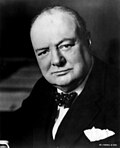
United Kingdom of Great Britain and Northern Ireland
1952
for the deep spiritual insight and the artistic intensity with which he has in his novels penetrated the drama of human life
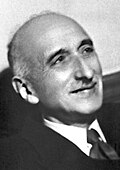
France
1951
for the artistic vigour and true independence of mind with which he endeavours in his poetry to find answers to the eternal questions confronting mankind
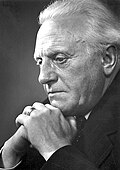
Sweden
1950
in recognition of his varied and significant writings in which he champions humanitarian ideals and freedom of thought
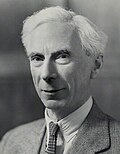
United Kingdom of Great Britain and Northern Ireland
1949
for his powerful and artistically unique contribution to the modern American novel
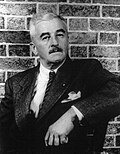
United States of America
1948
for his outstanding, pioneer contribution to present-day poetry
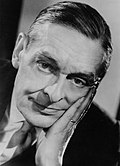
United Kingdom of Great Britain and Northern Ireland
1947
for his comprehensive and artistically significant writings, in which human problems and conditions have been presented with a fearless love of truth and keen psychological insight
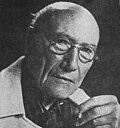
France
1946
for his inspired writings which, while growing in boldness and penetration, exemplify the classical humanitarian ideals and high qualities of style
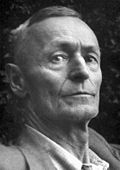
Germany,  Switzerland
1945
for her lyric poetry which, inspired by powerful emotions, has made her name a symbol of the idealistic aspirations of the entire Latin American world
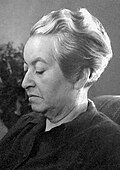
Chile
1944
for the rare strength and fertility of his poetic imagination with which is combined an intellectual curiosity of wide scope and a bold, freshly creative style
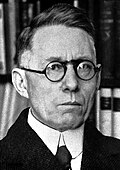
 Denmark
1939
for his deep understanding of his country's peasantry and the exquisite art with which he has portrayed their way of life and their relationship with Nature
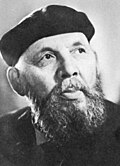
 Finland
1938
for her rich and truly epic descriptions of peasant life in China and for her biographical masterpieces
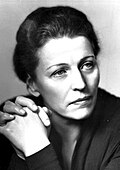
United States of America
1937
for the artistic power and truth with which he has depicted human conflict as well as some fundamental aspects of contemporary life in his novel-cycle "Les Thibault"
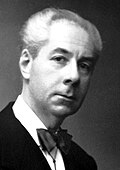
France
1936
for the power, honesty and deep-felt emotions of his dramatic works, which embody an original concept of tragedy
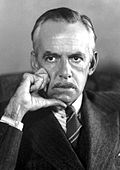
United States of America
1934
for his bold and ingenious revival of dramatic and scenic art
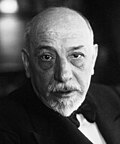
Italy
1933
for the strict artistry with which he has carried on the classical Russian traditions in prose writing
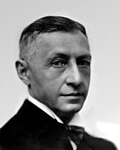
 Russian Federation
1932
for his distinguished art of narration which takes its highest form in The Forsyte Saga
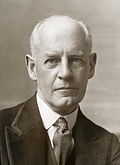
United Kingdom of Great Britain and Northern Ireland
1931
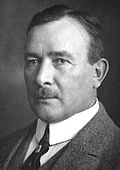
1930
for his vigorous and graphic art of description and his ability to create, with wit and humour, new types of characters
United States of America
1929
principally for his great novel, Buddenbrooks, which has won steadily increased recognition as one of the classic works of contemporary literature
Germany
1928
principally for her powerful descriptions of Northern life during the Middle Ages
Norway
1927
in recognition of his rich and vitalizing ideas and the brilliant skill with which they have been presented
France
1926
for her idealistically inspired writings which with plastic clarity picture the life on her native island and with depth and sympathy deal with human problems in general
Italy
1925
for his work which is marked by both idealism and humanity, its stimulating satire often being infused with a singular poetic beauty
United Kingdom of Great Britain and Northern Ireland, Ireland
1924
1923
for his always inspired poetry, which in a highly artistic form gives expression to the spirit of a whole nation
Ireland
1922
for the happy manner in which he has continued the illustrious traditions of the Spanish drama
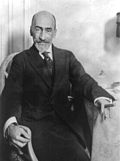
Spain
1921
in recognition of his brilliant literary achievements, characterized as they are by a nobility of style, a profound human sympathy, grace, and a true Gallic temperament
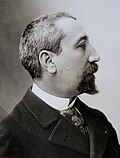
France
1920
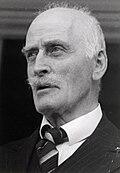
1919
in special appreciation of his epic, 'Olympian Spring'
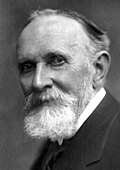
Switzerland
1917
for his varied and rich poetry, which is inspired by lofty ideals
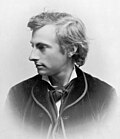
Denmark
for his authentic descriptions of present-day life in Denmark
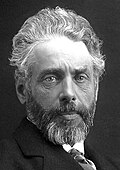
Denmark
1916
in recognition of his significance as the leading representative of a new era in our literature
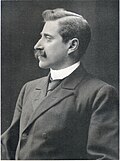
Sweden
1915
as a tribute to the lofty idealism of his literary production and to the sympathy and love of truth with which he has described different types of human beings
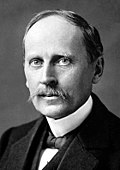
France
1913
because of his profoundly sensitive, fresh and beautiful verse, by which, with consummate skill, he has made his poetic thought, expressed in his own English words, a part of the literature of the West
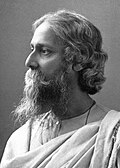
 British Indian Empire
1912
primarily in recognition of his fruitful, varied and outstanding production in the realm of dramatic art
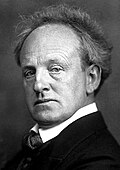
Germany
1911
in appreciation of his many-sided literary activities, and especially of his dramatic works, which are distinguished by a wealth of imagination and by a poetic fancy, which reveals, sometimes in the guise of a fairy tale, a deep inspiration, while in a mysterious way they appeal to the readers' own feelings and stimulate their imaginations
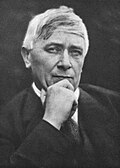
 Belgium
1910
as a tribute to the consummate artistry, permeated with idealism, which he has demonstrated during his long productive career as a lyric poet, dramatist, novelist and writer of world-renowned short stories
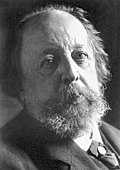
Germany
1909
in appreciation of the lofty idealism, vivid imagination and spiritual perception that characterize her writings
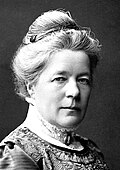
Sweden
1908
in recognition of his earnest search for truth, his penetrating power of thought, his wide range of vision, and the warmth and strength in presentation with which in his numerous works he has vindicated and developed an idealistic philosophy of life
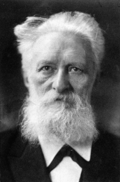
Germany
1907
in consideration of the power of observation, originality of imagination, virility of ideas and remarkable talent for narration which characterize the creations of this world-famous author
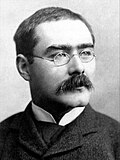
United Kingdom of Great Britain and Northern Ireland
1906
not only in consideration of his deep learning and critical research, but above all as a tribute to the creative energy, freshness of style, and lyrical force which characterize his poetic masterpieces
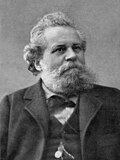
Italy
1905
for his outstanding merits as an epic writer
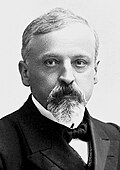
Poland
1904
in recognition of the fresh originality and true inspiration of his poetic production, which faithfully reflects the natural scenery and native spirit of his people, and, in addition, his significant work as a Provençal philologist
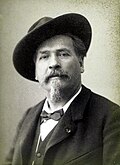
France
in recognition of the numerous and brilliant compositions which, in an individual and original manner, have revived the great traditions of the Spanish drama
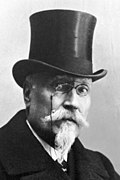
Spain
1903
as a tribute to his noble, magnificent and versatile poetry, which has always been distinguished by both the freshness of its inspiration and the rare purity of its spirit
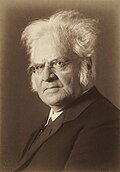
Norway
1902
the greatest living master of the art of historical writing, with special reference to his monumental work, A History of Rome
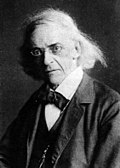
Germany
1901
in special recognition of his poetic composition, which gives evidence of lofty idealism, artistic perfection and a rare combination of the qualities of both heart and intellect
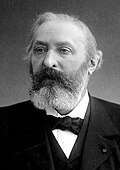
France