1910 Nobel Prize in Literature
Reason for Award
as a tribute to the consummate artistry, permeated with idealism, which he has demonstrated during his long productive career as a lyric poet, dramatist, novelist and writer of world-renowned short stories
Laureates
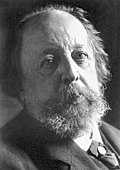
 Germany
Explanation
Paul Johann Ludwig Heyse was a German writer who created many poems and stories. His language is gentle and beautiful, so children and adults alike enjoyed reading him. The Nobel Prize in Literature is a special award given to people who write the world’s greatest books and stories. In 1910, Heyse received the prize because he kept writing poems, plays, and short tales for a very long time. His works softly teach us about courage, friendship, and other feelings we all treasure. For that reason, people around the globe feel warm-hearted when they read Heyse’s stories.
Related Keywords
lyric poetry
Lyric poetry is a form that expresses the poet’s feelings and reflections on nature through rhythm and rhyme. From an early age Heyse sang of his Italian journeys, love, and melancholy in flowing German. His poems are not long; each stanza compresses scenery and emotion. While respecting classical metrics, he employed imagery and symbols that help readers visualize the scene. The Nobel Committee regarded this lyrical quality as the breath of idealism that permeates his entire work.
novella (Novelle)
The German Novelle focuses on a single theme and a small cast, moving toward an unexpected turn that closes the plot. Heyse produced more than 200 such pieces, praised for the clarity of their structure and the balance of psychological insight. "L’Arrabbiata" in particular has been translated into many languages and is considered a model of the German novella. Symbolic objects in his stories announce change and leave a lingering resonance in the reader’s mind. These techniques later influenced authors such as Thomas Mann in "Tonio Kröger."
Poetic Realism
Poetic Realism emerged in German literature in the late 19th century, aiming to fuse objective depiction of reality with interior poetic feeling. Heyse is regarded as one of its principal authors, portraying everyday life while emphasizing the spiritual elevation of his characters. He avoided ornate rhetoric and delivered quiet emotion in concise sentences. This style keeps direct social critique modest but invites readers to reflect ethically. It stands apart from the rapidly spreading Naturalism of the time as a more balanced form of realism.
idealism
Idealism is the belief that human beings should strive for higher values and goals beyond the imperfections of reality. In Heyse’s works, characters often face harsh circumstances yet act without losing virtue and honesty. Readers share these conflicts and are encouraged to search for a better way of living. The Nobel citation explicitly mentions the permeation of idealism, highlighting its centrality to his art. Even today, his stories are quoted in moral education and self-leadership training.
Die Krokodile
"Die Krokodile" was a literary circle founded in Munich in the 1850s; despite its humorous name, it pursued serious artistic goals. Heyse, as a core member, mentored younger writers and organized readings that introduced Italian literature. Supported by the royal court of Bavaria, the group operated with relative creative freedom. Its network helped disseminate Heyse’s works at home and abroad and fostered regional diversity in German letters. Even after the circle dissolved, its personal and publishing connections continued to sustain Heyse’s later production.