1928 Nobel Prize in Literature
Reason for Award
principally for her powerful descriptions of Northern life during the Middle Ages
Laureates
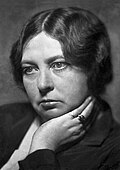
 Norway
Explanation
Sigrid Undset was a writer who told stories about how people lived long ago in northern countries like Norway. Like reading a fairy tale, her books describe old castles, forests, and farm life in a lively way. Readers feel as if they ride a time machine to the Middle Ages. Because she wrote so powerfully, she received the most famous literature prize in the world. Even today, many people read her books to learn about life in the past.
Related Keywords
Middle Ages
A historical period roughly from the 5th to the 15th century. Undset sets her novels in 14th-century Norway, portraying in detail the era’s social systems, religious outlook, and daily routines. She weaves the vulnerability of rural communities before the Black Death and feudal hierarchies into the narrative, making the text valuable even as a quasi-historical source. Readers can compare medieval and modern value systems through her stories. This is a prime example of literature serving as a companion to formal historical education.
Nordic literature
Refers to the collective literature of Northern European countries such as Denmark, Norway, Sweden, Finland, and Iceland. Nordic literature is often characterized by vivid nature descriptions and social realism, both present in Undset’s work. Her unique contribution lies in incorporating the influence of medieval Icelandic sagas into modern prose. During the early 20th century, Nordic literature gained international attention, producing many Nobel laureates. Undset stood at the forefront of this trend, elevating Nordic literature’s global stature.
Kristin Lavransdatter
Undset’s masterpiece, a trilogy consisting of "The Wreath," "The Wife," and "The Cross." Through protagonist Kristin’s life, the books explore themes of love, sin, and salvation. Detailed historical research recreates religious rites, clothing, and architecture, immersing readers in 14th-century Norway. The narrative dramatizes the clash between individual free will and social duty, highlighting the weight of ethical choices. Translated into more than twenty languages, it continues to reach readers worldwide.
historical fiction
A literary genre that sets its narrative in a real historical period, blending fictional characters or events with documented facts. Undset combined close reading of primary sources with imaginative creativity, balancing realism and literary depth. Historical fiction allows readers to experience cultures of another era, offering significant educational value. The genre functions as a mirror that relativizes contemporary society, enabling dialogue between past and present. Undset’s success demonstrated to later authors the importance of rigorous research.
women writers
Women writers have historically been marginalized, but Undset’s Nobel win helped elevate women’s literary status. Balancing domestic responsibilities with writing, she offered a fresh approach by narrating history through a female perspective. Granting her female characters complex psychology and agency, she is highly valued in feminist criticism. Her success prompted the publishing industry to reconsider markets for women readers and authors. In contemporary gender-oriented literary studies, her work remains a key reference text.
Catholic conversion
Undset converted to Catholicism in 1924, profoundly shaping the ethics and spirituality in her writing. Theological themes of sin, forgiveness, self-sacrifice, and redemption dominate works like "The Cross." Her conversion sparked debate in predominantly Protestant Norway, making her a central figure in intellectual religious dialogue. Her life serves as an important case study for examining the interaction between literature and faith. Even after conversion, she continued bridging religion and culture through public activities.
cultural heritage
Undset’s novels help preserve and transmit Nordic intangible cultural heritage—language, customs, and oral traditions. Their success increased interest in medieval Norwegian folklore and architecture, energizing museums and preservation movements. This illustrates how literature can catalyze cultural conservation. Translations worldwide have promoted international awareness of Nordic culture. By offering readers opportunities to understand and respect other cultures, her work contributes to cultural heritage continuity.
Nobel Prize in Literature
An international award established in 1901 by Alfred Nobel’s will, honoring outstanding literary achievements. Undset received it in 1928 at the relatively young age of 46. The Swedish Academy cited her powerful depiction of medieval Nordic life, praising the fusion of historical realism and artistry. She became Norway’s second laureate after Knut Hamsun, a source of national pride. The Nobel Prize in Literature helps works cross national boundaries and fosters dialogue within world literature.