1932 Nobel Prize in Literature
Reason for Award
for his distinguished art of narration which takes its highest form in The Forsyte Saga
Laureates
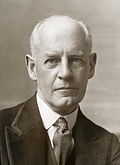
 United Kingdom of Great Britain and Northern Ireland
Explanation
John Galsworthy was a writer from the United Kingdom who wrote about a big family. In his story, "The Forsyte Saga," the family cares a lot about money and houses, but as times change they face trouble and learn lessons. The book shows how being too greedy can hurt family and friends. The author tells the tale like a kindly grandfather, using words children can follow. By reading it, you learn why caring for people matters more than owning things. Because of this warm and clear way of telling stories, Galsworthy received the Nobel Prize.
Related Keywords
The Forsyte Saga
Galsworthy’s magnum opus, a million-word cycle composed of three novels and interludes. It follows the rise and fall of three generations of the Forsyte family against shifting British society. The core theme is obsession with ownership and the tragedies it spawns, intersecting with love, art, and war. The saga has been adapted multiple times by the BBC and ITV, cementing its place in popular culture. It established the family-saga genre in world literature.
Realist literature
A literary movement established in the mid-19th century that values detailed, lifelike depiction of contemporary society. Balzac and Dickens are canonical figures, and Galsworthy stands in their line. It centers social structures, economic relations, and everyday life as narrative focal points. The style avoids idealization and Romantic exaggeration, striving for character construction through objective observation. Precise portrayals of politics and law make realist works valuable historical documents.
Family saga
A long-form narrative that follows one family across several generations. It interweaves social history with personal history through marriages, births, and deaths. The extended timeframe naturally incorporates external events such as economic crises and wars. Readers vicariously experience characters’ growth, achieving deep immersion. The format adapts well to film and television serialization and enjoys broad popularity in mass culture.
Social criticism
The function of literature and art to point out social flaws and injustices, urging reform. Galsworthy embedded critiques of property worship and sexism into his narrative. It shares a lineage with Dickens’s poverty critique and Zola’s naturalism. Social criticism stimulates readers’ moral awareness and sparks public debate. The concept remains vital in contemporary literature addressing climate issues, racism, and more.
Concept of property
The modern legal idea that grants exclusive control over objects, land, and even relationships. In The Forsyte Saga, treating houses, wives, and paintings as assets triggers tragedy. In late-Victorian Britain, ownership was shifting from landed aristocracy to industrial capitalists. Galsworthy dramatized the clash between such social changes and individual desires, crafting a critique of capitalism. The theme remains relevant to contemporary debates on intellectual property and digital assets.
Class system
A societal structure that ranks people by wealth or birth. In Britain, aristocrats, upper-middle classes, and laborers have long formed distinct strata. Galsworthy exposed contradictions in newly wealthy groups who lacked cultural capital despite financial success. After World War I, the system began to wobble, and his narrative mirrors the anxieties of this transitional period. The concept remains vital for analyzing inequality today.
Edwardian era
A period roughly 1901–1910 during the reign of King Edward VII. Victorian strictness faded, giving way to more hedonistic and open cultural forms. Yet imperial expansion and rising labor movements ran in parallel, exposing social contradictions. The early sections of The Forsyte Saga are set in this era, contrasting outward prosperity with inner emptiness. The era is also pivotal for studies of architecture, fashion, and artistic trends.