1953 Nobel Prize in Literature
Reason for Award
for his mastery of historical and biographical description as well as for brilliant oratory in defending exalted human values
Laureates
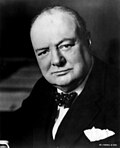
 United Kingdom of Great Britain and Northern Ireland
Explanation
Sir Winston Churchill wrote many books about wars and the lives of famous people from the past. Even complicated events were explained so that everyone could understand them. He also used powerful words to say that every human life has great value. Because of this, people around the world felt courage when they read his books or heard his speeches. These achievements led him to receive the Nobel Prize in Literature.
Related Keywords
historical narrative
Historical narrative is more than placing events in chronological order; it arranges causes and consequences and weaves motives of actors into a story-like structure. Churchill combined battlefield experience with official documents and adopted multiple viewpoints. This allowed readers to feel immediacy while grasping the whole picture. By openly offering value judgments, he transformed raw records into moral messages. His narrative style became a commercial model for twentieth-century history books and influenced later journalists and politicians.
biographical literature
Biographical literature depicts an individual’s life while analyzing that person’s impact on society and history. Churchill’s "Marlborough: His Life and Times" uses his ancestor as a lens to survey the political map of eighteenth-century Europe. He tracks not only battlefield tactics but also family relations and patronage networks. Consequently, personal history and international history intertwine in a multilayered epic. The work balances rigorous source criticism with the splendor of heroic narrative, thereby enlarging the scope of biographical literature.
oratory
Oratory refers to the collection of linguistic techniques that influence audiences emotionally and logically. Churchill frequently employed short phrase repetition and rhythmic tripartite structures, boosting morale during crises. For instance, the “blood, toil, tears, and sweat” speech masterfully combines antithesis and enumeration. His written prose retains similar rhythm and syntax, designed for imagined vocal delivery. Churchill’s oratory serves as a foundational case study in rhetoric, blending literary cadence with political messaging.
The Second World War memoirs
“The Second World War” is a six-volume set that chronicles not only military campaigns but also diplomatic negotiations and intelligence operations. Churchill’s central role in policymaking gives the work a unique blend of primary documentation and personal reflection. Sensitive information not publishable during the war is partially redacted or summarized, balancing publication ethics with security. The books conveyed wartime experience to post-war civilians while serving as source material for historians. They were a key factor in the Nobel Committee’s decision, making Churchill one of the few political leaders to win a literary Nobel for his own prose.
human values
Human values refer to fundamental ideals such as life, freedom, and dignity that societies deem worth protecting. During the struggle against dictatorship, Churchill stressed that safeguarding individual liberty is the chief purpose of the state. His phrase “freedom is not free” recurred in speeches, urging audiences toward action. His literary works underpin this principle, transforming historical narrative into ethical lessons. By influencing post-war human rights norms and the creation of international institutions, Churchill’s emphasis on human values stands as a cultural legacy.
intersection of politics and literature
The intersection of politics and literature is the mutual influence between practical domains such as policymaking and artistic domains such as narrative and linguistic expression. Churchill used his political experience as material for literary works and, conversely, disseminated policy ideals through literary techniques. Thus, prose became an extension of political action rather than mere record. Awarding a literary prize to such work spread the idea internationally that literature can contribute to social change. The growth of modern political essays and documentary literature attests to the fertility of this intersection.