1974 Nobel Prize in Literature(1)
Reason for Award
for a narrative art, far-seeing in lands and ages, in the service of freedom
Laureates
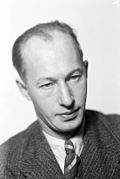
 Sweden
Explanation
Mr. Johnson wrote stories set in many different times and places, always showing how important freedom is. Readers feel as if they are traveling through both time and around the world. In his tales, brave people speak up for themselves and help each other. Johnson teaches that freedom is not only doing what you like but also caring about others. Because of this message, he received the Nobel Prize.
Related Keywords
narrative technique
Johnson established a method of showing one event from multiple angles through shifts in viewpoint and fractured timelines. Readers experience how facts resist absorption into a single perspective. This technique echoes Mikhail Bakhtin’s concept of polyphony and is considered a 20th-century narrative innovation. Freedom is presented not as mere metaphysics but as embedded in narrative structure. Thus, Johnson softened the declarative rigidity often found in historical fiction.
historical novel
A historical novel is a literary genre that sets its story in the past while reflecting contemporary political or social issues. Johnson favored symbolism over strict archival fidelity to critique his own era. For example, by portraying ancient Greece he could hint at the totalitarianism of World War II Europe. This approach granted his works a trans-temporal universality. Critical readers therefore enjoy decoding the double exposure of history and present.
freedom
For Johnson, freedom was not merely liberation from external restraints but the active exercise of inner imagination. His characters often reinvent themselves through exile or journeys. The polyphonic form trains readers to accept other viewpoints, adding an ethical dimension of tolerance and coexistence. Freedom also served as a symbol of resistance against censorship and dictatorships. This theme influenced Nordic cultural diplomacy during the Cold War.
myth reinterpretation
Johnson reread Homer and Norse myths through a modern lens, highlighting recurring conflicts between power and humanity across time. While keeping the classical framework, he multiplies narrators and dismantles fixed hero images. Thus the story resurfaces not as past history but as issues the reader personally faces. Reinterpretation functions not just as adaptation but as metanarrative in literary theory. It ultimately encourages renewed classical education and intercultural dialogue.
Swedish modernism
Swedish modernism, emerging in the early 20th century, moved away from traditional realism toward interior depiction and formal experimentation. Johnson was a central figure, introducing new narrative aesthetics through linguistic rhythm and fragmentation. His innovations resonated with contemporary poets and painters, spreading modernist sensibilities across Nordic culture. During the post-war welfare-state era, this movement culturally underpinned respect for individual voices. Thus Johnson stands as an essential landmark in Swedish literary history.
exile and wandering
Johnson himself spent youth wandering in France and Germany, an experience embedded in his fiction. Physical movement serves as a metaphor for exploring mental liberty, drawing readers into imaginative border-crossing. Characters meet across nations and classes, illustrating the possibility of mutual understanding. Wandering also portrays the pain of lost homeland, highlighting the duality of identity formation. This theme remains relevant in today’s globalized world.