1995 Nobel Prize in Literature
Reason for Award
for works of lyrical beauty and ethical depth, which exalt everyday miracles and the living past
Laureates
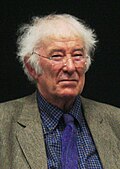
 Ireland
Explanation
Seamus Heaney turned the soil, water, and family memories of the Irish countryside into gentle poems. When we read his work, we notice tiny miracles in everyday life. Examples include the sound of digging, the smell of rain, and grandparents’ old stories. His poems have a song-like rhythm that feels pleasant when read aloud. The Nobel Prize in Literature praised how his poetry warmed hearts around the world. By treasuring our own daily moments, we too might create wonderful stories or poems.
Related Keywords
Poetry
Poetry is a literary form that uses lines and meter to create rhythm, condensing language to convey emotion and thought. Heaney employs stress patterns and vowel echoes to craft memorable musicality. Even in short lines he layers multiple images, allowing fresh interpretations with each reading. When read aloud, the sound as well as the sense becomes a physical experience. The "lyrical beauty" cited by the Nobel committee rests on such techniques.
Bogland
Bogland, Ireland’s vast wetlands, is a key motif in Heaney’s poetry. Because peat preserves artifacts and bodies, it acts as a bridge between past and present. In his verse, soil layers signal historical strata, hinting at buried violence. Through this landscape he probes cycles of time and depths of memory. Readers thus interpret scenery and history simultaneously.
Cultural Identity
Coming from Northern Ireland, Heaney had to position himself between Britain and Ireland. His poems use English while infusing Gaelic rhythms, crossing multiple traditions. This method highlights post-colonial language issues and prompts readers to ponder layered identities. Throughout his work, personal and collective histories interact. Consequently, his poetry resonates with minorities and migrants worldwide.
Sense of Sound and Rhythm
Heaney contrasts hard consonants with soft vowels to supply tactile rhythm. Internal rhyme and alliteration are frequent, making aural pleasure central to composition. Short line breaks synchronize breathing with shifts in meaning. Such craft is highly valued in Ireland’s strong oral culture. As readers follow the sounds, they are drawn into nuanced emotions.
Northern Ireland Conflict
The Northern Ireland conflict, spanning the 1960s–1990s, produced violence and division. Heaney avoided direct propaganda but depicted everyday tension through poetic imagery. By layering metaphor and historical analogy, he left room for reader reflection. His poems offered a space for dialogue, easing entrenched hostilities. This stance contributed to the Nobel-cited ethical depth.
Oral Tradition
Ireland has a long culture of passing stories and songs orally. Heaney used tales heard from grandparents and community members as material, transcribing the spoken rhythm into text. This method creates structures suited to recitation, strengthening shared experience with audiences. It reminds us that poetry is a vocal art beyond the page. In the digital age, recordings circulate widely, extending his work’s appeal.
"Digging"
"Digging," one of Heaney’s earliest signature poems, depicts his father and grandfather farming while he declares himself a poet who "digs" with words. The poem links three generations, showing continuity between manual and mental labor. Rhythmic onomatopoeia recreates the spade’s movement both visually and aurally. The final line, "I’ll dig with it," expresses career choice and filial respect simultaneously. The work, foundational to Heaney’s poetics, is often used in classrooms.