2016 Nobel Prize in Literature
Reason for Award
for having created new poetic expressions within the great American song tradition
Laureates
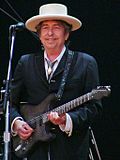
 United States of America
Explanation
Bob Dylan is an American singer who speaks to people’s hearts through song. His lyrics move forward like a story in rhythm and paint pictures in the listener’s mind. For example, “Blowin’ in the Wind” asks the wind questions to express a wish for peace. Dylan cherished old folk and blues melodies and added new ways of using words. As a result, songs everyone can hum are now praised as poetry. The Nobel Prize in Literature usually goes to novelists or poets, so a singer winning is very rare. Dylan showed the world that song lyrics can also be true literature.
Related Keywords
American song tradition
The term refers to the long lineage of U.S. songs stretching from 19th-century folk through blues, gospel, country and rock. It is marked by the mingling of immigrant cultures, blending European and African melodic and rhythmic styles. Dylan absorbed this heritage and acted as a bridge between folk and rock. His lyrics merge mythic imagery with colloquial speech, producing multilayered narratives. The Nobel Committee framed his innovation within this extensive tradition.
folk music
Folk music is an orally transmitted musical form characterized by simple chords and narrative lyrics. In the U.S. figures like Woody Guthrie and Pete Seeger embodied the style. Dylan, inspired in New York’s Greenwich Village, used early songs to address social issues. Folk creates closeness with audiences, relying on communal singing during performances. His Nobel Prize reaffirmed the cultural worth of folk’s oral tradition.
protest song
A protest song is written to voice opposition to social injustice or war. It played a key role in the 1960s civil-rights and anti-Vietnam movements. Dylan’s “Masters of War” and “A Hard Rain’s A-Gonna Fall” are prime examples, employing sharp metaphors and direct speech to galvanize listeners. Protest songs are sung at rallies and demonstrations, fostering a sense of solidarity. The Nobel award highlighted the literary sophistication of this genre on a global stage.
lyrics as literature
Traditionally literature referred to poetry on the printed page, but the idea of lyrics as literature holds that song words possess distinct poetic value. Elements such as meter, metaphor and narrative structure meld with music to create a composite art form. Dylan’s Nobel win was the first institutional endorsement of this viewpoint. Scholars now pursue multimodal analyses that combine textual criticism with audio sources. Future assessments may incorporate concert footage and audience response for a holistic literary evaluation.
Beat Generation
The Beat Generation was a 1950s American literary movement led by Jack Kerouac and Allen Ginsberg. It prized spontaneity and anti-establishment attitudes, writing poetry in colloquial language. Dylan befriended Ginsberg and absorbed this free-form expression into his lyrics. The flowing rhythms of Beat literature align closely with Dylan’s recitative singing style. Their fusion presented a new model for rock poetry.
counterculture
Counterculture refers to a social current that opposes mainstream values and proposes new lifestyles. The late-1960s hippie movement and anti-war protests exemplify it. Dylan’s music served as the soundtrack of counterculture and made him an icon for a generation. His lyrics questioned established authority and celebrated individual freedom. The Nobel Prize prompted a reassessment of the historical significance of countercultural verbal art.
Never Ending Tour
Since 1988 Bob Dylan has performed an almost unbroken series of concerts known as the Never Ending Tour. He averages around 100 shows a year, constantly altering band line-ups and arrangements. Lyrics and melodies are improvised nightly, so multiple versions of the same song coexist. Scholars archive these recordings to examine lyric fluidity and performance poetics. The tour’s continuity supports the view of Dylan’s work as “living literature.”
Chronicles
Chronicles: Volume One is Bob Dylan’s 2004 memoir. It recounts his early struggles in New York and the creative processes behind his songs in vivid detail. The book’s literary style and candor earned critical praise and bestseller status. It offers rich interpretations of his own lyrics and insights into music history, making it a valuable research source. After the Nobel Prize, Chronicles gained renewed attention as a key text for studying Dylan’s written prose alongside his lyrics.