2021 Nobel Prize in Literature
Reason for Award
for his uncompromising and compassionate penetration of the effects of colonialism and the fate of the refugee in the gulf between cultures and continents
Laureates
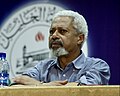
 United Kingdom of Great Britain and Northern Ireland
Explanation
Abdulrazak Gurnah was born on the island of Zanzibar in Africa and later moved to the United Kingdom. In his stories he writes about how colonial rule hurt ordinary people even after the rulers left. He especially shows the sadness and hopes of “refugees” who had to leave their homes because of war or persecution. His books teach us that helping and understanding friends from other cultures is important, even if they seem far away. Because he shared this message clearly and kindly, he received the Nobel Prize in Literature.
Related Keywords
colonialism
Colonialism refers to a powerful nation’s political and economic domination of another territory. In East Africa, German and British rule reshaped social structures through land expropriation and forced labor. Gurnah’s novels portray not only the violence of domination but also the cultural hybridities that emerged between rulers and subjects. They hint that contemporary poverty and border conflicts trace back to colonial policies. Understanding this history encourages readers to critically reassess their own countries’ roles in global relations.
refugee experience
Refugees are people forced to flee their countries because of war or persecution. Sudden loss of home and belongings exposes them to trauma and a fragile sense of identity. Drawing on personal experience, Gurnah narrates why refugees often choose silence and what it costs them. His characters face not only discrimination in host countries but also painful ties to the homeland they left behind. These depictions provide valuable testimony for current debates on migration policy.
postcolonial literature
Postcolonial literature addresses worlds shaped by the end of colonial rule. It rewrites history and critiques colonial narratives centered on the colonizer. Gurnah repositions the imperial language by writing in English while mixing in multilingual elements. His stories re-render the world from minority perspectives, expanding the reader’s imagination. Such works illuminate cultural imbalances in an age of globalization.
cultural identity
Cultural identity is the sense of “who I am” shaped by language, religion and customs. Migrants and refugees must reconstruct that sense between multiple cultures. Gurnah’s characters change names or embrace silence while searching for their own outlines. The process exposes both the benefits and conflicts of cultural exchange. His fiction argues for societies that accept plural identities.
Swahili Coast
The Swahili Coast refers to the Indian Ocean shoreline stretching from Kenya to Tanzania. Trade blended Islamic, African, Arab and Indian cultures over centuries. Gurnah’s home Zanzibar lies at its heart, and the settings and languages in his fiction mirror this multiculturalism. Scenes of spice markets and dhow boats symbolize the vibrancy of maritime commerce. Reading from a regional-studies angle reveals global networks that existed long before European colonialism.
memory and exile
For exiles, memories are both a support for survival and a burden. Gurnah repeatedly portrays protagonists who hold inner conversations with their homelands. Memories get altered; unspoken parts remain as “silence” and shape relationships. The stories explore how selecting certain memories reshapes a person’s present self-conception. This theme intersects with psychiatry and trauma studies, offering insights for supporting people in exile.