1902 Nobel Prize in Physiology or Medicine
Reason for Award
for his work on malaria, by which he showed how it enters the organism and thereby laid the foundation for successful research on this disease and methods of combating it
Laureates
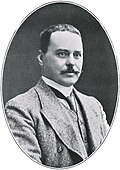
 United Kingdom of Great Britain and Northern Ireland
Explanation
Malaria is a dangerous illness that causes high fever, and long ago people did not know how it spread. A British doctor named Ronald Ross discovered that mosquitoes pass the disease to humans when they bite. Using a microscope, he looked inside the insects and found a tiny living thing called Plasmodium. He explained that this creature enters our bodies together with the mosquito’s bite. Thanks to this finding, people began using bed nets and draining puddles to keep mosquitoes away, saving many lives. Ross’s work shows how science can reveal hidden enemies and help protect us.
Related Keywords
malaria
A parasitic disease prevalent in tropical and subtropical regions, causing high fever, anemia, and in severe cases cerebral complications. Over 200 million cases are reported annually, making it a leading cause of death among children and pregnant women. The agents are Plasmodium protozoa, chiefly P. falciparum and P. vivax in humans. Parasites cycle between liver and red blood cells, triggering periodic fevers. Effective control demands a combination of drugs, vaccines, and vector management.
Anopheles mosquito
The only mosquito genus capable of transmitting malaria. Roughly 500 species are known, with about 40 acting as primary vectors for human malaria. Larvae develop in a wide range of water habitats, while adults feed mainly at dusk. Only females take blood meals to obtain protein for egg production. Ronald Ross dissected species such as Anopheles stephensi and demonstrated parasite development inside them.
Plasmodium
A genus of Apicomplexan protozoa responsible for malaria. It has a complex life cycle alternating between human liver/erythrocytes and the mosquito mid-gut/salivary glands. The infective stage for humans is the sporozoite; after asymptomatic liver multiplication, parasites enter red blood cells and replicate cyclically. Widespread drug resistance is a growing problem, prompting searches for new targets. Genome-editing tools now enable rapid investigation of vaccine antigens and metabolic pathways.
sporozoite
The slender motile stage of Plasmodium released from the mosquito’s salivary glands into the host. It invades hepatocytes and multiplies hundreds-fold, creating an asymptomatic liver stage. Ross’s observation of sporozoites in mosquito salivary glands proved the transmission route. The circumsporozoite protein (CSP) on its surface is the main antigen of the RTS,S vaccine. Many control strategies aim to block sporozoite invasion.
vector-borne disease
An umbrella term for infections that require a living carrier, or vector, such as mosquitoes or sandflies. Besides malaria, dengue and leishmaniasis are examples. Climate change and urbanization are expanding vector habitats, elevating risk. Ross’s work is considered an early demonstration that vector control can be as crucial as treating patients. Integrated Vector Management (IVM) is now a cornerstone of public health strategy.
antimalarial drugs
Agents such as chloroquine, artemisinin derivatives, and mefloquine aim to kill blood-stage parasites or block the liver stage. Rapid emergence of resistance necessitates combination therapy (ACT). In Ross’s era quinine dominated, its efficacy enhanced when paired with mosquito control. Many new compounds target the parasite’s mitochondrion or apicoplast. Balancing pharmacokinetics and safety remains a central challenge in drug development.
life cycle
Plasmodium alternates between two hosts, humans and mosquitoes. Sexual reproduction occurs in the mosquito, asexual multiplication in humans. Ross identified the extrinsic sporogonic phase, completing the cycle. Understanding the life cycle guides vaccine targets and diagnostic tools. Temperature and humidity affect the extrinsic phase duration, shaping transmission patterns.
public health
The science and practice of protecting community health and preventing disease. Malaria control is a flagship public-health challenge, and Ross’s discovery marked the dawn of preventive medicine. Effective programs integrate data collection, statistical analysis, environmental modification, and drug distribution. Malaria elimination is featured in today’s SDGs, serving as a benchmark for global cooperation. The field aligns closely with the One Health concept linking human, animal, and environmental health.