Nobel Prize in Physiology or Medicine
Established by Alfred Nobel's 1895 will, the Nobel Prize in Physiology or Medicine was first awarded in 1901 to Emil von Behring. It recognizes individuals and organizations that have made the most important discoveries in physiology or medicine. Laureates are selected confidentially by the Nobel Committee at the Karolinska Institute. Recipients receive a gold medal bearing Alfred Nobel's likeness, a diploma, and a monetary prize, and the award ceremony is held each year on December 10 in Stockholm. The prize may be shared by up to three laureates, and nomination records remain sealed for 50 years. Some years see no award or delayed awards.
229
Laureates
1901~
First awarded
Karolinska Institute
Presented by
Prizes
View all laureates2024
for the discovery of microRNA and its role in post-transcriptional gene regulation
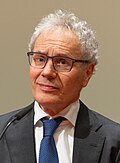
 United States of America
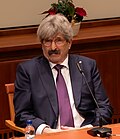
United States of America
2023
for their discoveries concerning nucleoside base modifications that enabled the development of effective mRNA vaccines against COVID-19

 Hungary, United States of America
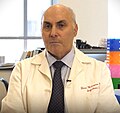
United States of America
2022
for his discoveries concerning the genomes of extinct hominins and human evolution

 Sweden
2021
for the discovery of receptors for temperature and touch
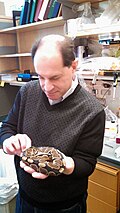
United States of America
United States of America
2020
for the discovery of the Hepatitis C virus

United States of America
 United Kingdom of Great Britain and Northern Ireland
United States of America
2019
for their discoveries of how cells sense and adapt to oxygen availability

United States of America
United Kingdom of Great Britain and Northern Ireland
United States of America
2018
for the discovery of immune-checkpoint inhibitors and their application to cancer therapy
United States of America
 Japan
Japan
2017
for the discovery of molecular mechanisms controlling the circadian rhythm
United States of America
United States of America
United States of America
2016
for the discoveries of mechanisms for autophagy
Japan
2015
for their discoveries concerning a novel therapy against infections caused by roundworm parasites
 Ireland, United States of America
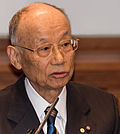
Japan
for her discoveries concerning a novel therapy against Malaria
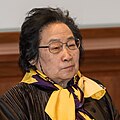
 China
China
2014
for the discovery of cells that constitute a positioning system in the brain
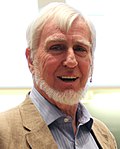
United States of America, United Kingdom of Great Britain and Northern Ireland

 Norway

Norway
2013
for the discoveries of the machinery that regulates vesicle traffic, the system that transports proteins to their correct destinations inside cells
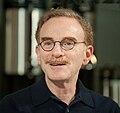
United States of America
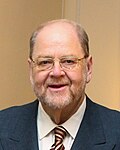
United States of America

United States of America
2012
for the discovery that mature cells can be reprogrammed to become pluripotent

United Kingdom of Great Britain and Northern Ireland
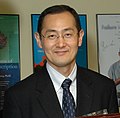
Japan
2011
for their discoveries concerning the activation of innate immunity

United States of America
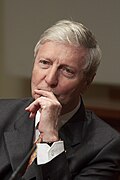
 France
for his discovery of the dendritic cell and its role in adaptive immunity
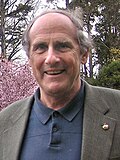
 Canada
2010
for the development of in vitro fertilization (IVF) technology
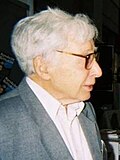
United Kingdom of Great Britain and Northern Ireland
2009
for the discovery of how chromosomes are protected by telomeres and the enzyme telomerase

United States of America,  Australia

United States of America
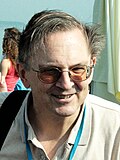
United States of America
2008
Discovery of human papillomaviruses causing cervical cancer
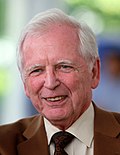
 Germany
Discovery of human immunodeficiency virus
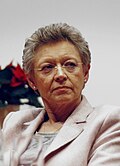
France
France
2007
for their discoveries of principles for introducing specific gene modifications in mice by the use of embryonic stem cells
United States of America
United Kingdom of Great Britain and Northern Ireland
United States of America
2006
for the discovery of RNA interference – gene silencing by double-stranded RNA
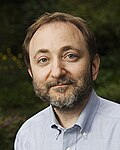
United States of America
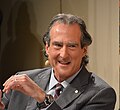
United States of America
2005
for the discovery of the bacterium Helicobacter pylori and its role in gastritis and peptic ulcer disease

Australia
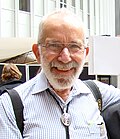
Australia
2004
for their discoveries of odorant receptors and the organization of the olfactory system
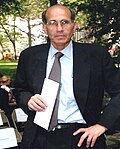
United States of America

United States of America
2003
for their discoveries concerning magnetic resonance imaging
United States of America
United Kingdom of Great Britain and Northern Ireland
2002
for the discoveries concerning genetic regulation of organ development and programmed cell death
United Kingdom of Great Britain and Northern Ireland
United States of America
United Kingdom of Great Britain and Northern Ireland
2001
for their discoveries of key regulators of the cell cycle
United States of America
United Kingdom of Great Britain and Northern Ireland
United Kingdom of Great Britain and Northern Ireland
2000
for their discoveries concerning signal transduction in the nervous system
Sweden

United States of America
United States of America
1999
for the discovery that proteins have intrinsic signals that govern their transport and localization in the cell
United States of America
1998
for the discovery of nitric oxide as a signalling molecule in the cardiovascular system
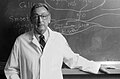
United States of America
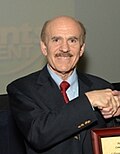
United States of America
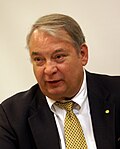
United States of America
1997
for the discovery of Prions – a new biological principle of infection
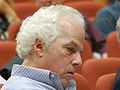
United States of America
1996
for their discoveries concerning the specificity of the cell-mediated immune defence
Australia
 Switzerland
1995
for their discoveries concerning the genetic control of early embryonic development
United States of America
Germany

United States of America
1994
for their discovery of G-proteins and the role of these proteins in signal transduction in cells

United States of America
United States of America
1993
for the discovery of split genes
United Kingdom of Great Britain and Northern Ireland
United States of America
1992
for the discoveries concerning reversible protein phosphorylation as a biological regulatory mechanism
Switzerland, United States of America
United States of America
1991
for their discoveries concerning the function of single ion channels in cells
Germany
Germany
1990
for their discoveries concerning organ and cell transplantation in the treatment of human disease
United States of America
United States of America
1989
for the discovery that the oncogenes of retroviruses are of cellular origin
United States of America
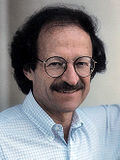
United States of America
1988
for their discoveries of important principles for drug treatment
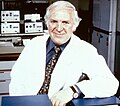
United Kingdom of Great Britain and Northern Ireland
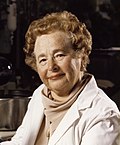
United States of America
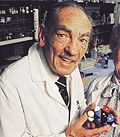
United States of America
1987
for his discovery of the genetic principle for generation of antibody diversity
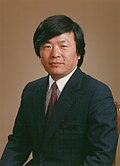
Japan
1986
for their discoveries of growth factors
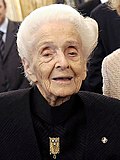
 Italy, United States of America
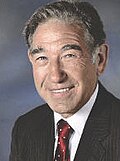
United States of America
1985
for their discoveries concerning the regulation of cholesterol metabolism
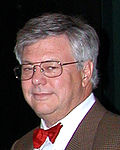
United States of America
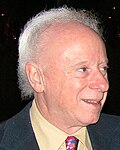
United States of America
1984
for theories concerning the specificity in development and control of the immune system and the discovery of the principle for production of monoclonal antibodies
 Denmark
Germany
 Argentina, United Kingdom of Great Britain and Northern Ireland
1983
for the discovery of mobile genetic elements
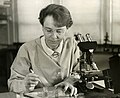
United States of America
1982
discoveries concerning prostaglandins and related biologically active substances
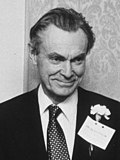
Sweden
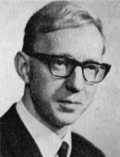
Sweden
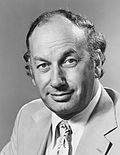
United Kingdom of Great Britain and Northern Ireland
1981
for discoveries concerning the functional specialization of the cerebral hemispheres
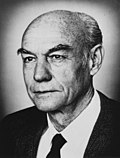
United States of America
for discoveries concerning information processing in the visual system
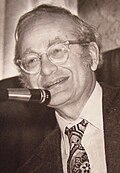
United States of America
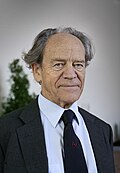
Sweden
1980
for their discoveries concerning genetically determined structures on the cell surface that regulate immunological reactions
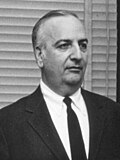
United States of America
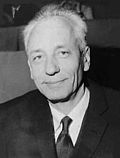
France
United States of America
1979
for the development of computer assisted tomography (CT)
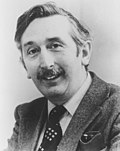
United Kingdom of Great Britain and Northern Ireland
United States of America
1978
for the discovery of restriction enzymes and their application to problems of molecular genetics
United States of America
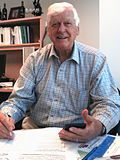
United States of America
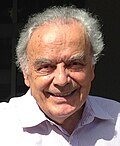
Switzerland
1977
for their discoveries concerning the peptide hormone production of the brain
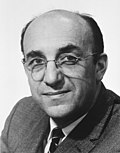
United States of America
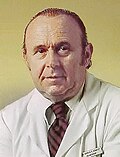
United States of America
for the development of radioimmunoassays of peptide hormones
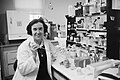
United States of America
1976
for their discoveries concerning new mechanisms for the origin and dissemination of infectious diseases
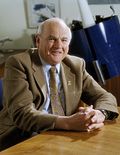
United States of America
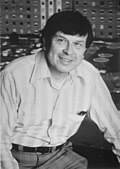
United States of America
1975
for their discoveries concerning the interaction between tumour viruses and the genetic material of the cell
United States of America
United States of America
United States of America
1974
for their discoveries concerning the structural and functional organization of the cell
 Belgium
Belgium
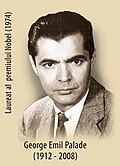
United States of America
1973
for their discoveries concerning organization and elicitation of individual and social behaviour patterns
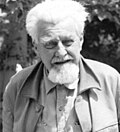
 Austria
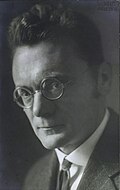
Germany
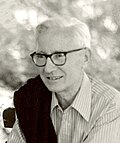
United Kingdom of Great Britain and Northern Ireland
1972
for the discoveries concerning the chemical structure of antibodies
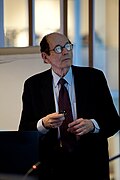
United States of America
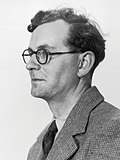
United Kingdom of Great Britain and Northern Ireland
1971
for his discoveries concerning the mechanisms of the action of hormones
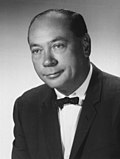
United States of America
1970
for their discoveries concerning the humoral transmitters in the nerve terminals and the mechanisms for their storage, release and inactivation
United Kingdom of Great Britain and Northern Ireland
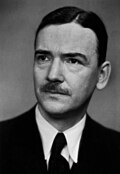
Sweden
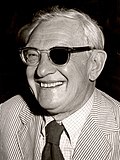
United States of America
1969
for their discoveries concerning the replication mechanism and the genetic structure of viruses
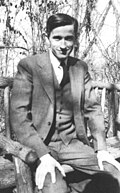
United States of America
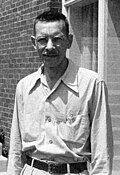
United States of America
United States of America
1968
for their interpretation of the genetic code and its function in protein synthesis
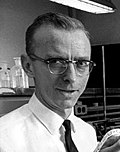
United States of America
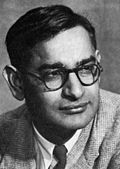
United States of America
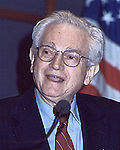
United States of America
1967
for their discoveries concerning the primary physiological and chemical visual processes in the eye
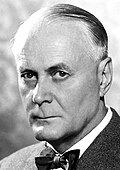
Sweden
United States of America
United States of America
1966
discovery of tumour-inducing viruses
United States of America
discoveries concerning hormonal treatment of prostatic cancer
United States of America
1965
for their discoveries concerning genetic control of enzyme and virus synthesis
France
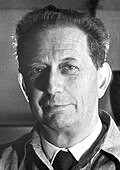
France
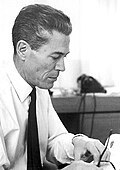
France
1964
for their discoveries concerning the mechanism and regulation of cholesterol and fatty acid metabolism
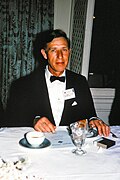
United States of America
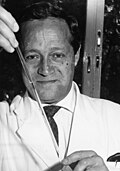
 West Germany
1963
for their discoveries concerning the ionic mechanisms involved in excitation and inhibition in the peripheral and central portions of the nerve cell membrane
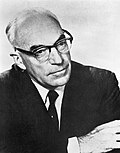
Australia
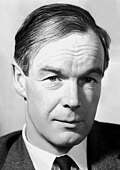
United Kingdom of Great Britain and Northern Ireland
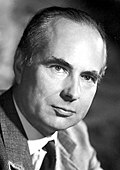
United Kingdom of Great Britain and Northern Ireland
1962
for their discoveries concerning the molecular structure of nucleic acids and its significance for information transfer in living material
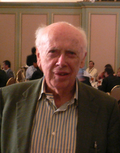
United States of America
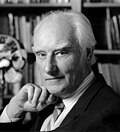
United Kingdom of Great Britain and Northern Ireland
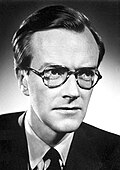
United Kingdom of Great Britain and Northern Ireland,  New Zealand
1961
for his discoveries of the physical mechanism of stimulation within the cochlea
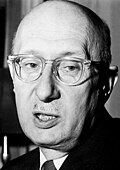
United States of America
1960
for the discovery of acquired immunological tolerance
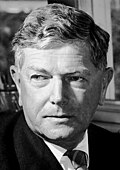
Australia
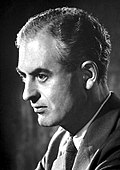
United Kingdom of Great Britain and Northern Ireland
1959
for their discovery of the mechanisms in the biological synthesis of ribonucleic acid and deoxyribonucleic acid
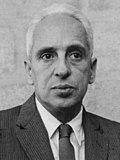
United States of America
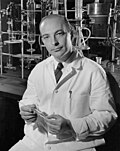
United States of America
1958
for their discovery that genes act by regulating definite chemical events
United States of America
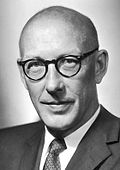
United States of America
for his discoveries concerning genetic recombination and the organization of the genetic material of bacteria
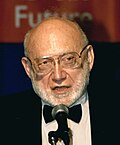
United States of America
1957
for his discoveries relating to synthetic compounds that inhibit the action of certain body substances, and especially their action on the vascular system and the skeletal muscles
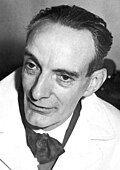
Italy
1956
for their discoveries concerning heart catheterization and pathological changes in the circulatory system
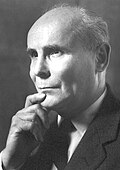
United States of America
United States of America
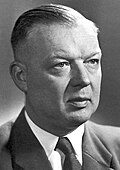
West Germany
1955
for his discoveries concerning the nature and mode of action of oxidation enzymes
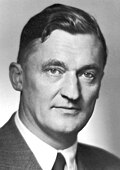
Sweden
1954
for the discovery of the ability of poliomyelitis viruses to grow in cultures of various types of tissue
United States of America
United States of America
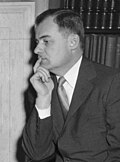
United States of America
1953
for the discovery of the citric acid cycle
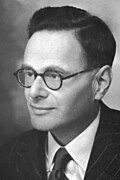
United Kingdom of Great Britain and Northern Ireland
for the discovery of co-enzyme A and its importance for intermediary metabolism
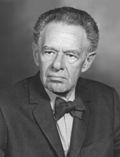
United States of America
1952
for his discovery of streptomycin, the first antibiotic effective against tuberculosis
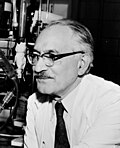
United States of America
1951
for his discoveries concerning yellow fever and how to combat it
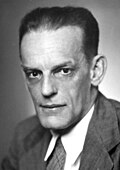
 Union of South Africa
1950
for their discoveries relating to the hormones of the adrenal cortex, their structure and biological effects
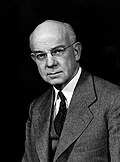
United States of America
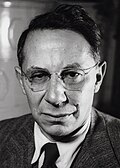
Switzerland
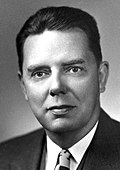
United States of America
1949
for his discovery of the functional organization of the interbrain as a coordinator of the activities of the internal organs
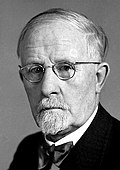
Switzerland
for his discovery of the therapeutic value of leucotomy in certain psychoses
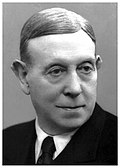
 Portugal
1948
for his discovery of the high efficiency of DDT as a contact poison against several arthropods
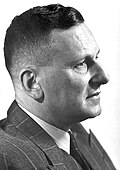
Switzerland
1947
for their discovery of the course of the catalytic conversion of glycogen
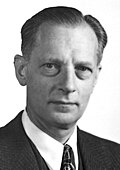
United States of America
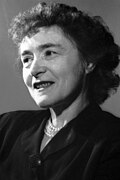
United States of America
for his discovery of the part played by the hormone of the anterior pituitary lobe in the metabolism of sugar
Argentina
1946
for the discovery of the production of mutations by means of X-ray irradiation
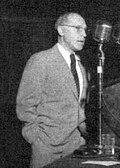
United States of America
1945
for the discovery of penicillin and its curative effect in various infectious diseases
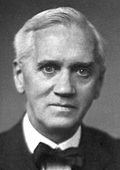
United Kingdom of Great Britain and Northern Ireland
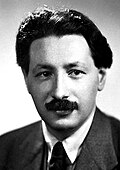
United Kingdom of Great Britain and Northern Ireland
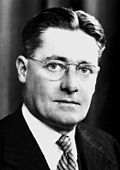
Australia
1944
for their discoveries relating to the highly differentiated functions of single nerve fibres
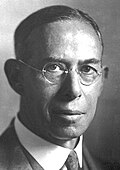
United States of America
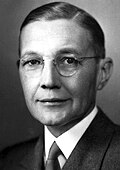
United States of America
1943
for the discovery of vitamin K
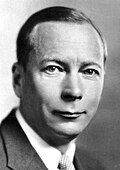
Denmark
for the discovery of the chemical nature of vitamin K
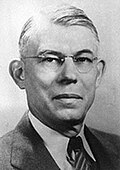
United States of America
1939
for the discovery of the antibacterial effects of prontosil
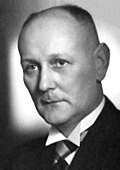
 Greater German Reich
1938
for the discovery of the role played by the sinus and aortic mechanisms in the regulation of respiration
Belgium
1937
for his discoveries in connection with the biological combustion processes, with special reference to vitamin C and the catalysis of fumaric acid
 Kingdom of Hungary
1936
for their discoveries relating to chemical transmission of nerve impulses
United Kingdom of Great Britain and Northern Ireland
United States of America
1935
for his discovery of the organizer effect in embryonic development
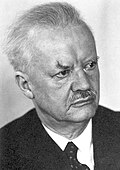
Greater German Reich
1934
for their discoveries concerning liver therapy in cases of anaemia
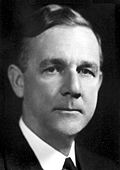
United States of America
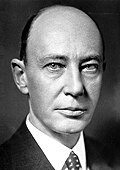
United States of America
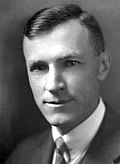
United States of America
1933
for his discoveries concerning the role played by the chromosome in heredity
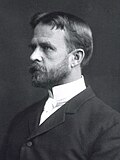
United States of America
1932
for their discoveries regarding the functions of neurons
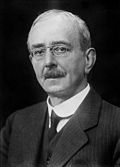
United Kingdom of Great Britain and Northern Ireland
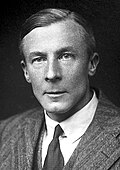
United Kingdom of Great Britain and Northern Ireland
1931
for his discovery of the nature and mode of action of the respiratory enzyme
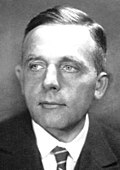
 German Reich
1930
for the discovery of human blood groups
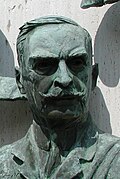
Austria
1929
Discovery of the antineuritic vitamin (vitamin B1)
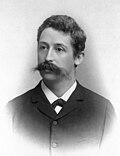
 Netherlands
Discovery of growth-stimulating vitamins
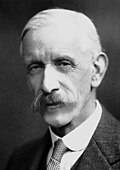
United Kingdom of Great Britain and Northern Ireland
1928
for his work on typhus
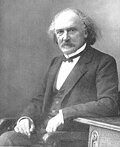
France
1927
for his discovery of the therapeutic value of malaria inoculation in the treatment of dementia paralytica
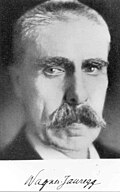
Austria
1926
for his discovery of the Spiroptera carcinoma and the idea that a parasitic infection can induce cancer
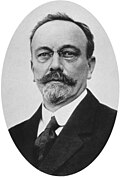
Denmark
1924
for his discovery of the mechanism of the electrocardiogram
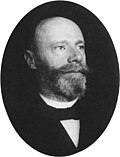
Netherlands
1923
for the discovery of insulin
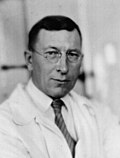
Canada
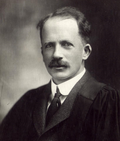
United Kingdom of Great Britain and Northern Ireland
1922
for his discovery relating to the production of heat in the muscle
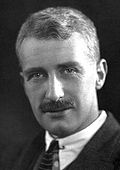
United Kingdom of Great Britain and Northern Ireland
for his discovery of the fixed relationship between the consumption of oxygen and the metabolism of lactic acid in the muscle
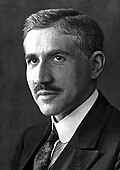
German Reich
1920
for his discovery of the capillary motor regulating mechanism
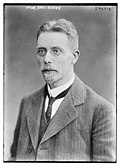
Denmark
1919
for his discoveries relating to immunity
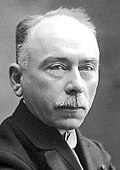
Belgium
1914
for his work on the physiology and pathology of the vestibular apparatus
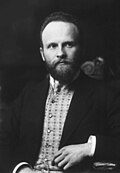
 Austro-Hungarian Empire
1913
for elucidating the mechanisms and dangers of anaphylaxis (acute hypersensitivity reactions)
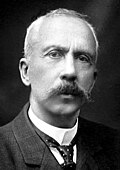
France
1912
for his work on vascular suture and the transplantation of blood vessels and organs
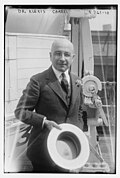
France
1911
for his work on the dioptrics of the eye
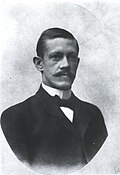
Sweden
1910
for contributions to our knowledge of cell chemistry made through his work on proteins, including the nucleic substances
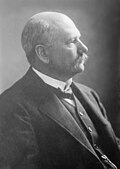
 German Empire
1909
for his work on the physiology, pathology and surgery of the thyroid gland
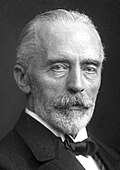
Switzerland
1908
for their work on immunity
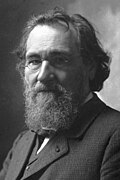
 Russian Empire
German Empire
1907
for his work on the role played by protozoa in causing diseases
France
1906
for their work on the structure of the nervous system
 Kingdom of Italy
 Spain
Spain
1905
for his investigations and discoveries in relation to tuberculosis
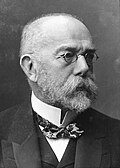
German Empire
1904
for his work on the physiology of digestion, through which knowledge on vital aspects of the subject has been transformed and enlarged
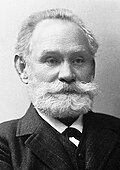
Russian Empire
1903
for his contribution to the treatment of diseases, especially lupus vulgaris, with concentrated light radiation, whereby he has opened a new avenue for medical science
Denmark
1902
for his work on malaria, by which he showed how it enters the organism and thereby laid the foundation for successful research on this disease and methods of combating it
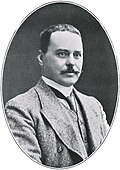
United Kingdom of Great Britain and Northern Ireland
1901
for his work on serum therapy, especially its application against diphtheria, by which he has opened a new road in the domain of medical science and thereby placed in the hands of the physician a victorious weapon against illness and deaths
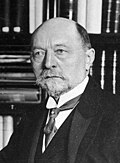
German Empire