1910 Nobel Prize in Physiology or Medicine
Reason for Award
for contributions to our knowledge of cell chemistry made through his work on proteins, including the nucleic substances
Laureates
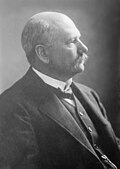
 German Empire
Explanation
Our bodies are made of tiny building blocks called cells. Inside each cell are important substances called proteins and nucleic acids that help the body work and pass on information. Albrecht Kossel carefully took these substances out of cells and examined what they were made of. By breaking down proteins, he discovered small pieces called bases such as adenine and guanine. These findings later helped scientists understand that DNA carries genetic information. In other words, Kossel drew the first map for the adventure of finding life’s blueprint.
Related Keywords
nucleic acid
Nucleic acids are macromolecules, DNA and RNA, that store and transmit genetic information in living organisms. Each nucleic acid consists of a chain of nucleotides, which in turn are composed of a sugar, a phosphate group, and a base. Kossel’s work was the first to clearly show that nucleic acids contain multiple distinct bases. The bases he isolated later became the key players in double-helix base pairing. Today, nucleic-acid analysis technologies drive innovations in genome editing, infectious-disease diagnostics, and agriculture.
base (nucleobase)
Nucleobases are aromatic nitrogenous compounds such as adenine and cytosine that reside in nucleotides. Kossel isolated all five major bases and determined their empirical formulas by elemental analysis. Bases pair specifically via hydrogen bonds, ensuring high fidelity in genome replication. Without his achievements, Chargaff’s rules and the Watson–Crick base-pair model would have emerged much later. Synthetic base analogs have been developed as anticancer and antiviral drugs, illustrating how basic research feeds into clinical applications.
histone
Histones are basic proteins that bind tightly to DNA and form the core of chromatin particles in the nucleus. Kossel was the first to extract histones and to note their high lysine and arginine content. Histone N-terminal tails undergo acetylation and methylation, regulating gene expression. His discovery is regarded as a foundational observation for modern epigenetics. Drugs targeting histone-modifying enzymes are under development for cancer and neurological disorders.
chromatin
Chromatin is a higher-order complex of DNA and proteins that constitutes the fundamental unit of chromosomes. The DNA-histone interaction suggested by Kossel provides the physical basis of this structure. Chromatin configuration is tightly regulated, with open euchromatin supporting active transcription. In contrast, condensed heterochromatin silences genes and is essential for cell differentiation. Malfunctions of chromatin-remodeling complexes are linked to cancer and developmental disorders, making them attractive drug targets.
biochemistry
Biochemistry is the discipline that seeks to understand life processes as chemical reactions and was established during Kossel’s era. His quantitative analyses and separation techniques were among the earliest methods proving the existence of biomolecules. Studies of proteins, nucleic acids, and enzymes form the basis for elucidating metabolic pathways and signaling mechanisms. Modern molecular biology, pharmacology, and agriculture apply biochemical approaches extensively. Serving as a bridge between “chemistry” and “biology,” biochemistry plays a crucial role in solving medical and environmental problems.
purine skeleton
The purine skeleton is a bicyclic nitrogen-containing aromatic structure exemplified by adenine and guanine. Kossel’s isolation of bases with this skeleton enabled accurate depiction of their structural formulas. Purine nucleotides also function as ATP and GTP in energy metabolism and signaling pathways. Uric acid, the causative agent of gout, is a product of purine metabolism, underscoring medical relevance. Synthetic purines have been developed as anticancer and immunosuppressive drugs, showing how structural understanding feeds directly into drug discovery.