1926 Nobel Prize in Physiology or Medicine
Reason for Award
for his discovery of the Spiroptera carcinoma and the idea that a parasitic infection can induce cancer
Laureates
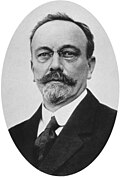
 Denmark
Explanation
Long ago, a Danish doctor named Fibiger noticed that when small worms (parasites) lived in a rat’s stomach, lumps (tumors) grew. He thought, “Maybe the worms can make cancer.” This discovery showed the world how important it is to find the real cause of a disease. Cancer is a scary illness, but when we know its cause, we can start looking for cures. Because his work opened this path, Fibiger received the Nobel Prize.
Related Keywords
Spiroptera carcinoma
The term coined by Fibiger to describe tumor-like lesions in the stomachs of rats infected with Gongylonema. Histology ranged from keratinizing hyperplasia to squamous-cell-carcinoma-like changes. At the time it was regarded as malignant and served as proof of parasite-induced cancer. Later reassessments showed true cancer was rare, most lesions being benign hyperplasias. Nevertheless, the term left a lasting mark by embedding the idea that infectious agents could cause tumors.
parasitic carcinogenesis
The process whereby a parasitic infection triggers malignant transformation in host cells. Today established examples include liver fluke-associated cholangiocarcinoma and schistosome-associated bladder cancer. Fibiger’s work was an early hypothesis generator, but current mechanisms invoke chronic inflammation, immune evasion, or calcification disturbances acting together. Parasite-derived molecules may directly cause DNA damage or epigenetic alterations. Effective cancer prevention requires both infection control and nutritional management.
vitamin-A deficiency
When the fat-soluble vitamin A is insufficient, epithelial differentiation is impaired, leading to hyper-keratinization and reduced immunity. Fibiger’s experimental diet was extremely low in vitamin A, later shown to promote gastric epithelial hyperplasia in rats. Deficiency diminishes retinoic acid signaling and may suppress tumor-suppressor gene expression. In developing countries it remains a cause of childhood blindness and infection susceptibility. It serves as a model for understanding the nexus between nutrition and carcinogenesis.
reproducibility crisis
The problem in science where published results cannot be reproduced by other researchers under the same conditions. Fibiger’s parasite-cancer theory is often cited as an early case of irreproducibility. Differences in animal feed composition and environment altered outcomes, highlighting hidden variables. The episode spurred calls for detailed method disclosure, rigorous statistics, and third-party verification. Similar challenges persist today in psychology and biomedicine, motivating transparency and open-science initiatives.
infection-related cancer
Roughly 15 % of cancers are estimated to arise from persistent infection by pathogens such as viruses, bacteria, or parasites. Examples include HPV-driven cervical cancer, HCV-driven hepatocellular carcinoma, and Helicobacter-driven gastric cancer. Pathogens damage or modulate host genes through genomic insertion, chronic inflammation, or immune suppression. Vaccination and eradication therapies markedly reduce incidence, making them vital public-health measures. Fibiger’s work is historically significant as an early step toward this field.
histopathology
The study of organs and tissues under a microscope to determine the nature of disease. Fibiger used paraffin sections and hematoxylin-eosin staining to document changes in gastric mucosa. Histopathology remains the gold standard for cancer diagnosis and grading today. Molecular markers and digital image analysis now enhance objectivity and quantification. Because a pathologist’s judgment directly influences treatment, high reproducibility and expertise are essential.