1928 Nobel Prize in Physiology or Medicine
Reason for Award
for his work on typhus
Laureates
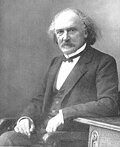
 France
Explanation
Epidemic typhus is a dangerous fever caused by tiny germs carried by body lice. Long ago in Europe, many people died from it during wars and in poor towns. Dr. Nicolle watched lice falling from patients’ clothes and realized the insects were spreading the sickness. He showed, with animal tests, that taking away the lice stopped the disease and taught people to keep themselves and their clothes clean. His finding led to vaccines that have saved many lives. That is why Dr. Nicolle received the Nobel Prize.
Related Keywords
epidemic typhus
Epidemic typhus is an acute febrile exanthem caused by Rickettsia prowazekii. It presents with high fever, severe headache, and a centrifugal rash, and the case-fatality rate can exceed 20 % without treatment. Historically it spreads explosively in winter or wartime when changing clothes is difficult. Nicolle’s work proved the body louse to be the vector and introduced vector control as a new public-health tactic. Today antibiotics and vaccines can prevent or cure the disease, yet refugee camps and natural disasters still pose a resurgence risk.
louse
Lice are blood-sucking insects that live on clothing or hair of humans and animals. In epidemic typhus, the body louse specifically harbors and excretes Rickettsia pathogens. Nicolle experimentally proved that removing lice halts transmission, making delousing central to public-health efforts. During World War II, massive DDT spraying campaigns successfully suppressed outbreaks. Even today lice re-emerge when hygiene collapses during war or natural disasters.
vector
A vector is an organism that carries a pathogen and transmits it to humans or animals. Just as mosquitoes carry malaria parasites, lice spread epidemic typhus. Nicolle’s work formalized the idea of targeting vectors in infectious-disease control. This led to insecticide development and environmental management becoming core public-health tools. Today vector control remains key against dengue, Lyme disease, and many other infections.
vaccine
A vaccine is a medical preparation that exposes the body to part of, or a weakened form of, a pathogen to build immunity. Nicolle created an early typhus vaccine using formalin-killed rickettsiae harvested from lice. It dramatically reduced mortality among soldiers and civilians. Later developments, including egg-cultured and recombinant protein vaccines, improved safety and scalability. Vaccination establishes herd immunity and remains one of the most effective ways to suppress epidemics at their root.
epidemiology
Epidemiology is the study of the occurrence, distribution, and determinants of disease using statistical methods. Nicolle integrated data from patients, lice, and animal models to analyze typhus outbreak patterns. His approach became a prototype of modern field epidemiology, aiding in tracing transmission routes and evaluating interventions. Today epidemiology incorporates big data and genomics, extending to chronic-disease research as well as infectious threats. During the COVID-19 pandemic, the same epidemiologic principles guided policy decisions worldwide.
public health
Public health is the science and practice of protecting and improving the health of populations. Nicolle’s discovery led to communal measures such as centralized laundries, boiling of clothes, and insecticide spraying. This expanded the focus from treating individuals to altering social environments to eradicate disease. Modern public health covers vaccination programs, water-supply infrastructure, health education, and much more. International agencies and NGOs now work within a global-health framework to advance these goals.
Rickettsia
The genus Rickettsia comprises small Gram-negative obligate intracellular bacteria that replicate only inside host cells. Pathogenic species include R. prowazekii, the agent of epidemic typhus, and R. rickettsii, which causes Rocky Mountain spotted fever. Their intracellular lifestyle makes them hard to culture, posing challenges for research and vaccine development. PCR and whole-genome sequencing have gradually revealed their host adaptation strategies and virulence factors. Studies on rickettsiae have also advanced cell biology and infection immunology.