1930 Nobel Prize in Physiology or Medicine
Reason for Award
for the discovery of human blood groups
Laureates
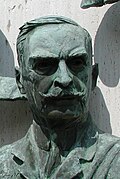
 Austria
Explanation
The blood flowing in our bodies can be divided into several kinds called blood groups. Just as people have different hand sizes, they also have different blood types. Karl Landsteiner noticed that some blood samples clumped together while others did not, and he discovered the A, B, O, and other blood groups. Thanks to this, doctors can now give blood transfusions safely—moving blood from one person to another. If the wrong blood type is given, the blood may clump and become dangerous, so his discovery is very important. Today, hospitals routinely test a patient’s blood type before treatment. Because of Landsteiner’s work, many lives are saved every single day.
Related Keywords
blood group
A blood group is a classification based on differences in glycan antigens on red-cell membranes. Several systems exist, such as ABO and Rh. Blood group information is crucial for transfusion, organ transplantation, and pregnancy management. Frequencies vary among populations and regions, making blood groups useful in population genetics. Landsteiner’s discovery of the ABO system marked the beginning of modern blood group research.
agglutination reaction
Agglutination is the network-like clumping of red cells when antibodies bind to specific antigens. Because the reaction is visible to the naked eye, it became a simple method for blood typing. The presence or absence of agglutination patterns allows assessment of compatibility. Landsteiner statistically analyzed agglutination reactions to classify blood groups. The technique remains a staple in blood banks and clinical laboratories today.
ABO blood group system
The ABO system defines types A, B, AB, and O based on combinations of A, B, and H antigens. Because natural antibodies exist, ABO-incompatible transfusions cause acute hemolysis. Type-specific antigens arise from single-nucleotide polymorphism changes in glycosyl-transferase specificity. Global frequency distributions differ and have been studied for links to malaria and cholera. It is the first blood group system described by Landsteiner and forms the foundation of transfusion medicine.
blood transfusion
Blood transfusion replaces or supplements blood lost during major bleeding or surgery. Matching ABO, Rh, and other blood groups ensures safety. Before the early 20th century, incompatibility accidents were frequent, but Landsteiner’s discovery drastically reduced the risk. Modern advances include infectious-disease screening and component therapy, expanding therapeutic options. Transfusion is now a cornerstone of lifesaving medicine.
antibody
Antibodies are proteins produced by the immune system that bind specific antigens with high affinity. In blood typing, anti-A and anti-B antibodies are prime examples and can agglutinate or lyse red cells during incompatible transfusion. Antibodies are classified into IgM, IgG, and other classes, each with different functions and transfer capabilities. Clinical tests measure antibody specificity and titer to guide transfusion planning and disease diagnostics. Landsteiner’s work provided a concrete demonstration of antigen–antibody interaction to the world.
serological reaction
A serological reaction is any test that observes chemical interaction between serum antibodies and antigens. Forms include agglutination, precipitation, and complement fixation. Landsteiner used serological reactions to identify blood groups and validated the findings in hundreds of samples. Serology was later applied to syphilis testing and viral diagnostics, becoming a cornerstone of clinical laboratory science. Modern adaptations such as ELISA and latex agglutination have increased sensitivity and are widely used for rapid tests.
immunology
Immunology is the study of how the body defends itself against pathogens. Antibodies, T cells, complement, and many other molecules and cells collaborate to form immune responses. Blood group research illuminated the core immunological concept of distinguishing ‘self’ from ‘non-self’. Beyond blood groups, Landsteiner studied poliovirus and made wide-ranging contributions as an immunologist. Today’s vaccine development and cancer immunotherapy rely on the principles established in immunology.