1939 Nobel Prize in Physiology or Medicine
Reason for Award
for the discovery of the antibacterial effects of prontosil
Laureates
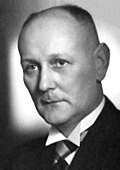
 Greater German Reich
Explanation
Long ago, a simple cut could be deadly because of germs. Dr. Domagk found that a red-colored medicine called “prontosil” could kill those germs. In mice, even severe infections were cured. This showed that people might be saved the same way, and many lives were rescued. Today, when we take medicine for cuts or sore throats, we benefit from this discovery.
Related Keywords
prontosil
A red azo-dye-derived compound that splits in the body to release sulfanilamide, its active antimicrobial component. As the first marketed synthetic antibacterial for streptococcal infections, prontosil sharply reduced mortality. In the late 1930s, before penicillin, it became the standard treatment for postpartum and wound infections. Pharmacologically, it established the pro-drug concept and underscored the role of metabolism in drug activity.
sulfonamide
A class of antibacterials based on the sulfanilamide scaffold that inhibit dihydropteroate synthase, blocking bacterial folate synthesis. Initially discovered as prontosil’s active form, hundreds of derivatives were later produced. Although usage declined with resistance and penicillin, combinations such as trimethoprim–sulfamethoxazole remain clinically valuable. Easy synthesis and low cost keep sulfonamides important in resource-limited settings.
antibacterial agent
A general term for chemicals that inhibit or kill bacteria. Prontosil was the first broadly effective synthetic antibacterial, and its success spurred the hunt for antibiotics such as penicillin and tetracycline. Antibacterials have greatly improved public health and life expectancy yet have also driven resistance, making stewardship and novel drug discovery modern imperatives.
bacterial infection
A condition caused by pathogenic bacteria such as streptococci and staphylococci. In the 1930s, meningitis, pneumonia, and puerperal fever were leading causes of death. Introduction of sulfonamides rapidly decreased mortality and improved surgical safety. Today, infections by resistant bacteria remain a global health threat, and lessons from antibacterial history guide modern strategies.
chemotherapy
In the narrow sense, it refers to Paul Ehrlich’s idea of treating infections with chemicals; prontosil is a notable success. The term has since expanded to encompass anticancer drugs. The success embodied the “magic bullet” metaphor, driving research into target specificity and reduced toxicity.
resistance
The phenomenon by which bacteria lose susceptibility to an antibacterial. Within a few years of sulfonamide use, resistant strains with altered enzymes or bypass pathways emerged. Resistance spread correlates with drug consumption and environmental release, persisting as a major challenge. Judicious use and novel-mechanism drugs are essential countermeasures.
drug development
A multistage process spanning basic research, clinical trials, approval, and post-market surveillance. Prontosil’s discovery is an early instance where an industrial lab rapidly linked animal testing and human use, foreshadowing modern translational research. It also highlighted the need for systematic sharing of failures and side-effect data.
in vivo activation
The process by which a drug is metabolized after administration to produce an active form. Prontosil’s reduction to sulfanilamide was the first recognized pro-drug model. The same design logic is used in modern antivirals like oseltamivir and anticancer agents.