1945 Nobel Prize in Physiology or Medicine
Reason for Award
for the discovery of penicillin and its curative effect in various infectious diseases
Laureates
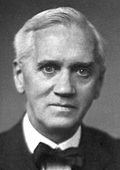
 United Kingdom of Great Britain and Northern Ireland
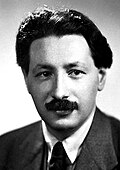
United Kingdom of Great Britain and Northern Ireland
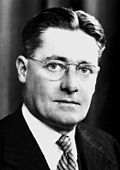
 Australia
Explanation
Penicillin is a medicine that comes from mold. Mr. Fleming noticed that bacteria would not grow near a mold spot on his petri dish. He studied the mystery and discovered that the mold released something that kills germs. That substance is penicillin. Scientists then worked hard to turn it into a real drug to help soldiers and sick people. Today penicillin is still an important medicine that saves many lives around the world.
Related Keywords
penicillin
Penicillin is a β-lactam antibiotic discovered by Fleming in 1928. Produced by Penicillium molds, it inhibits bacterial cell-wall synthesizing enzymes known as penicillin-binding proteins, thereby exerting bactericidal action. It shows especially strong activity against Gram-positive organisms and enabled treatment of pneumonia, tetanus and sepsis—diseases previously often fatal. Introduction of deep-tank fermentation and solvent extraction in the 1940s allowed industrial-scale production. Numerous semisynthetic penicillins have since been created to overcome resistance and improve pharmacokinetics.
antibiotics
Antibiotics are chemical compounds produced by microorganisms that inhibit or kill other microbes. The success of penicillin spurred a golden age of antibiotic discovery, yielding streptomycin, tetracyclines and many more agents. These drugs dramatically lowered infection mortality and triggered a public-health revolution. Their mechanisms include inhibition of cell-wall, protein or nucleic-acid synthesis and rely on the principle of selective toxicity. Overuse has accelerated resistance, making stewardship and novel drug discovery urgent priorities.
Penicillium notatum
Penicillium notatum, now reclassified as Penicillium rubens, is the blue-green mold that produces penicillin. It was the strain that accidentally landed on Fleming’s culture plate. Chain and Florey subsequently sub-cultured and selected high-producing mutants of this species. Deep-tank fermentation of the mold required careful oxygenation and pH control, driving advances in industrial fermentation science. Genome analysis has mapped its secondary-metabolite gene clusters, opening possibilities for synthetic-biology modifications.
bacterial infection
A bacterial infection is a condition in which pathogenic bacteria invade and multiply in the human body, causing tissue damage and inflammation. Koch and Pasteur established methods for identifying pathogens and clarifying transmission routes in the late 19th century. Yet until the mid-20th century few effective treatments existed, and deaths from high fever or gangrene were common. The introduction of penicillin radically improved outcomes for pneumonia, syphilis, scarlet fever and many other diseases. Today the rise of resistant strains demands rapid diagnostics and optimized antibiotic selection.
mass production of pharmaceuticals
Mass production of pharmaceuticals refers to technologies and infrastructure that enable industrial-scale drug manufacturing and stable supply. The surge in demand for penicillin led to major advances in fermenter design, sterilization procedures and extraction-purification methods. Deep-tank cultivation posed challenges in aeration efficiency and foam control, accelerating collaboration with chemical engineering. After the war, the same plants were adapted to produce new antibiotics and vitamins, lowering costs and broadening medical access. Today Good Manufacturing Practice (GMP) frameworks govern quality control, and similar principles are applied to modern biologics.
microbiology
Microbiology is the study of organisms too small to be seen with the naked eye, including bacteria, fungi and viruses. Emerging from bacteriology, it has illuminated pathogenic mechanisms and advanced food-fermentation technology. Penicillin research highlighted the importance of microbial secondary metabolites and opened new avenues for drug discovery. Cultivation methods, microscopy and molecular genetics now integrate to support applications in ecology, medicine and biotechnology. Metagenomic approaches have recently enabled functional analysis of previously unculturable microbes.
antibiotic resistance
Antibiotic resistance is the phenomenon by which bacteria acquire the ability to survive the actions of antimicrobial drugs. Soon after penicillin was introduced, β-lactamase-producing strains were reported, revealing that resistance can develop rapidly. Resistance spreads quickly through gene mutations and horizontal plasmid transfer, threatening medical practice. The emergence of multidrug-resistant organisms such as MRSA and CRE narrows therapeutic options and poses a major public-health challenge. New strategies including vaccines, combination therapy, antimicrobial peptides and phage treatment are under investigation.