1956 Nobel Prize in Physiology or Medicine
Reason for Award
for their discoveries concerning heart catheterization and pathological changes in the circulatory system
Laureates
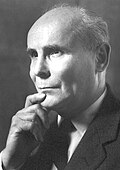
 United States of America
United States of America
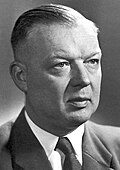
 West Germany
Explanation
Doctors discovered how to gently guide a very thin tube (called a catheter) through a blood vessel into the heart so they could measure how blood flows and how much pressure is inside. This lets them check if the heart is working well or if something is blocked, without opening the chest. Think of it like using a thermometer, but this one measures the heart directly. Thanks to this idea, doctors can find problems sooner and save many lives.
Related Keywords
Heart catheterization
Heart catheterization is the technique of advancing a slender tube through a vessel into cardiac chambers to measure pressure, oxygen saturation, and obtain contrast images directly. It abolished the need for open-chest surgery and revolutionized diagnostic and severity assessment of cardiovascular diseases. Quantification of pulmonary artery pressure and cardiac output became feasible, allowing better surgical risk prediction. The method has evolved into therapeutic applications such as PCI and electrophysiological studies, and is integral to hemodynamic monitoring in intensive care units. Radiation safety, sterile technique, and detailed pressure-wave analysis constitute the broad technical framework around it.
Circulatory system
Composed of the heart, blood vessels, and blood, the circulatory system transports oxygen and nutrients to the entire body and is essential for life. When pressure or flow balance is disturbed, organs rapidly suffer damage. Heart catheterization permits direct measurement of these parameters and quantitative assessment of disease states. Researchers compared patient data with healthy baselines to uncover abnormal patterns and sharpen disease classification. Modern computational models now integrate catheter data to simulate systemic circulation as a whole.
Hemodynamics
Hemodynamics is the study of blood flow dynamics—pressure, resistance, velocity—analyzed with physical principles. Catheter studies acquire real-time pressure tracings, allowing calculation of core hemodynamic parameters such as dp/dt, systemic and pulmonary vascular resistance. This objectified evaluation of treatments for heart failure, shock, and pulmonary hypertension. Cournand’s group defined ‘normal range’ values that became standard endpoints in clinical trials. Nowadays, data feed into computational fluid dynamics for 3-D cardiovascular modeling.
Fick principle
The Fick principle states that organ blood flow equals the amount of a substance taken up or released divided by the arterial-venous concentration difference. Cardiac output can thus be derived from pulmonary oxygen uptake and the oxygen content difference between arterial and venous blood. Cournand and Richards drew mixed-venous samples via catheter and applied the principle clinically with unprecedented accuracy. This exposed subclinical cardiac impairment undetectable by noninvasive indices. Modern quantitative cardiac MRI and echocardiography still rely on Fick-based validation.
Right heart catheter
A right heart catheter is inserted via the venous system to reach the right atrium, right ventricle, and pulmonary artery, enabling pressure measurements and mixed-venous blood sampling. It is the gold standard for diagnosing pulmonary vascular disease and heart failure. Originating with Forssmann’s self-catheterization, it evolved into the balloon-tipped Swan–Ganz floatation method. Bedside feasibility makes it vital in ICUs and intraoperative cardiac monitoring. International guidelines delineate detailed protocols regarding indications and complication management.
Pressure tracing
A pressure tracing is the waveform recording of intracardiac pressure changes during each cardiac cycle obtained via a catheter-connected transducer. The slope (dp/dt) and contour reveal valve function and ventricular compliance. Cournand’s team produced standardized charts and pattern recognition methods for abnormal waveforms. Pressure tracing informs real-time hemodynamic decisions and verifies guide-wire manipulation or device positioning. Digital signal processing now enables automated feature extraction and AI-based diagnostic studies.