1990 Nobel Prize in Physiology or Medicine
Reason for Award
for their discoveries concerning organ and cell transplantation in the treatment of human disease
Laureates
 United States of America
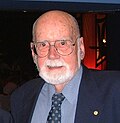
United States of America
Explanation
Our bodies get sick when important parts—like organs or blood cells—stop working. The doctors who won the 1990 Nobel Prize found ways to replace broken parts with healthy ones from other people. Dr. Murray showed that a brother’s kidney could be moved to his twin and work perfectly. Our immune system acts like a police force that chases away anything unfamiliar, but the doctors also discovered medicines that calm this police force so the new organ can do its job. Dr. Thomas helped patients with leukemia by giving them healthy bone-marrow cells to rebuild their blood. Thanks to their work, thousands of lives are saved every day around the world.
Related Keywords
organ transplantation
Organ transplantation replaces a failing organ with a healthy donor organ. Kidneys, livers, hearts, lungs, intestines, and pancreases are common targets. Success depends not only on surgery but also on immunological management to prevent rejection. Recipient survival has improved steadily, with five-year kidney graft survival now exceeding 90%. Ongoing challenges include donor shortages, ethical concerns, cost, and side effects of immunosuppressive drugs.
immunosuppressive drugs
Immunosuppressive drugs dampen the immune response that would otherwise attack transplanted organs or cells. Early regimens used azathioprine and prednisone, later augmented by calcineurin inhibitors such as cyclosporine and tacrolimus. Mechanisms include inhibition of T-cell activation pathways and blockade of DNA/RNA synthesis. Side effects— infections, nephrotoxicity, and malignancies— necessitate individualized dosing. New classes, including costimulation blockers and JAK inhibitors, are now under clinical investigation.
major histocompatibility complex
Major histocompatibility antigens are cell-surface molecules by which the immune system distinguishes self from non-self. In humans they are called HLA (Human Leukocyte Antigen) and are highly polymorphic. In transplantation, closer HLA matching between donor and recipient reduces rejection and improves outcomes. HLA typing is performed by DNA sequencing or PCR-based methods, providing high-precision results within hours. Recently, epitope matching and KIR ligand analysis have been introduced for even more precise compatibility assessment.
hematopoietic stem cell transplantation
Hematopoietic stem cell transplantation (HSCT) infuses stem cells harvested from bone marrow, peripheral blood, or cord blood to rebuild a patient’s blood system. It aims to cure diseases such as leukemia, lymphoma, and aplastic anemia. The procedure is preceded by conditioning with total-body irradiation or high-dose chemotherapy to ablate the patient’s marrow. Major complications include GVHD and infections, requiring careful immunosuppression and supportive care. Advances such as non-myeloablative conditioning, haploidentical HSCT, and combination with CAR-T therapy are expanding indications.
graft rejection
Graft rejection occurs when the recipient’s immune system attacks the transplanted organ or cells, leading to dysfunction or loss. Acute rejection is predominantly T-cell-mediated and arises within weeks to months post-surgery. Chronic rejection involves intimal hyperplasia, fibrosis, and gradually impairs long-term graft survival. Diagnosis relies on biopsy, donor-specific antibody assays, and gene-expression profiling. Strategies to combat rejection include optimized immunosuppressive regimens and experimental tolerance-inducing vaccines.
graft-versus-host disease
GVHD is a condition in which donor T cells attack recipient tissues after HSCT. Skin, liver, and gastrointestinal tract are primary targets, and the disease is classified into acute and chronic forms. Prophylaxis employs combinations of cyclosporine and methotrexate, T-cell depletion, or post-transplant cyclophosphamide. Completely eliminating GVHD may reduce the graft-versus-leukemia (GVL) effect, so clinical practice seeks a balance. Regulatory T-cell therapy, JAK inhibitors, and modulation of the gut microbiome are emerging therapeutic strategies.
donor-recipient matching
Donor-recipient matching compares factors such as HLA type and blood type to ensure safe and effective transplantation. Registry systems now hold data on millions of donors, enabling rapid searches. Higher matching accuracy lowers risks of rejection and GVHD. Because some patients cannot wait for a perfect match, haploidentical and cord-blood transplant options are offered. Future advances may include AI-based outcome prediction models and genome-wide affinity scores.
immune tolerance
Immune tolerance refers to a state in which the immune system does not attack foreign organs or cells. Natural tolerance occurs through thymic selection, whereas transplantation aims for induced tolerance. Establishing mixed chimerism and activating regulatory T cells are primary strategies. Achieving clinical tolerance would free patients from lifelong immunosuppression, reducing side effects and costs. Experimental successes in liver transplantation and combined hematopoietic cell transplantation suggest the feasibility of this goal.