1998 Nobel Prize in Physiology or Medicine
Reason for Award
for the discovery of nitric oxide as a signalling molecule in the cardiovascular system
Laureates
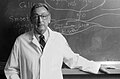
 United States of America
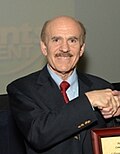
United States of America
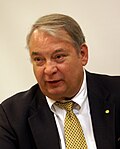
United States of America
Explanation
Inside our bodies we have many tiny roads called blood vessels. The three scientists discovered that a gas named nitric oxide (NO), which is also found in the air, is produced in the body and acts like a signal telling the vessels to widen. When vessels widen, it is like making a road broader so blood can flow more easily and the heart does not have to work as hard. NO is therefore a kind of traffic-control officer inside us. Thanks to this finding, doctors have been able to create new medicines for heart and blood-vessel diseases.
Related Keywords
nitric oxide
A colorless, odorless gas biosynthesized from L-arginine. In tiny amounts it dilates blood vessels and acts as a neural and immune signal. Being a free radical, it is highly reactive and can damage cells at high concentrations. Measurement of exhaled NO and therapeutic NO-donor drugs reflect its clinical importance.
vascular endothelium
A single-cell layer lining the innermost surface of blood vessels. Beyond serving as a barrier, it releases NO, prostacyclin and other mediators to control vessel diameter and thrombosis. Endothelial dysfunction is implicated in atherosclerosis, hypertension and diabetic complications. Balanced diet and exercise help preserve endothelial health.
guanylate cyclase
An enzyme that converts GTP into cGMP, existing in soluble and membrane-bound forms. NO binds to the heme iron of soluble GC and dramatically boosts its activity. The resulting cGMP activates PKG, leading to smooth-muscle relaxation. sGC activators and stimulators are being developed as drugs for heart failure and pulmonary hypertension.
cGMP
Cyclic guanosine monophosphate acts as an intracellular second messenger. Generated by the NO-sGC pathway, it activates PKG and various ion channels. It is broken down by phosphodiesterases (PDEs), so PDE inhibitors raise cGMP levels for therapeutic benefit. cGMP also participates in vision and renal function.
vasodilation
The widening of blood vessels that lowers flow resistance. Induced by NO, prostaglandins, adenosine and many other factors. Essential for increased muscle perfusion during exercise and thermoregulation in heat. Pathologically involved in shock and migraine, prompting extensive drug development targeting dilation mechanisms.
nitric oxide synthase
The enzyme that produces NO from L-arginine, existing in endothelial (eNOS), neuronal (nNOS) and inducible (iNOS) isoforms. eNOS and nNOS are Ca²⁺/calmodulin-dependent, whereas iNOS generates large NO amounts upon inflammatory stimuli. Knock-out mice and selective inhibitors have clarified their distinct roles, making NOS an important therapeutic target.
nitroglycerin
An organic nitrate long used to treat angina pectoris. It releases NO in the body, dilating coronary arteries and improving myocardial blood flow. Though known as an explosive, in medicine it is given in tiny amounts via sublingual tablets or patches. Tolerance and excessive hypotension are clinically important concerns.
platelet aggregation
The process by which platelets stick together to seal vascular injury. NO and prostacyclin raise cGMP/cAMP inside platelets and inhibit aggregation. When endothelial function deteriorates in atherosclerosis, NO supply falls and thrombosis risk rises. The reaction is a key endpoint in anti-platelet drug development.
hypertension
A chronic elevation of arterial pressure and a major risk factor for myocardial infarction and stroke. Deficiency of endothelial NO skews the balance toward vasoconstriction, contributing to disease pathogenesis. Lifestyle modifications plus drugs such as ACE inhibitors and calcium-channel blockers are standard, while sGC stimulators are emerging therapies.
signal transduction
The process by which cells convert external or intercellular stimuli into internal chemical information and responses. The NO-sGC-cGMP pathway is a unique gas-mediated signaling system that alters enzyme activity directly without classic receptor or G-protein intermediates. It enables rapid modulation of diverse physiological functions.