1908 Nobel Peace Prize(1)
Reason for Award
for founding the Swedish Peace and Arbitration Society
Laureates
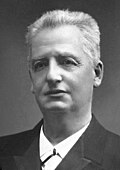
 Sweden
Explanation
Mr. Arnoldson created a group in Sweden that wanted to solve problems by talking instead of fighting wars. This group was called the Swedish Peace and Arbitration Society and told people, “Talking is better than quarreling.” While working at a railway station, Arnoldson wrote books to explain why peace is important. He said money should go to schools and hospitals rather than to big armies. He believed that countries helping each other would stop wars and inspired many others. For these efforts he received the Nobel Peace Prize.
Related Keywords
Swedish Peace and Arbitration Society
Founded in 1883, it is one of the world’s oldest peace NGOs. Through lectures, publications and petitions it campaigned for disarmament and the adoption of international arbitration. Led by Arnoldson, it influenced Nordic peace diplomacy and is regarded as a model of civil-society intervention in foreign policy. The organization continues to work today on issues such as nuclear-weapon bans and arms-export control.
Arbitration
A legal procedure by which international disputes are submitted to an impartial third party for peaceful resolution. The Permanent Court of Arbitration (1899) is a prime example, and arbitration was a core agenda item of the late-19th-century peace movement. Arbitration clauses were later incorporated into the League of Nations Covenant and modern international judicial mechanisms.
Neutrality policy
A state strategy of non-participation in armed conflicts while maintaining impartial diplomacy and trade. Adopted by smaller states such as Sweden and Switzerland to secure their safety, neutrality was promoted by Arnoldson as a permanent solution for the entire Nordic region, laying the groundwork for later regional cooperation.
Parliamentary diplomacy
Activities in which legislators cooperate with foreign parliaments and civil groups outside traditional diplomatic channels to build trust and craft policy proposals. Arnoldson advanced this method through lecture tours and international congresses, becoming a forerunner of today’s Inter-Parliamentary Union (IPU) practices.
Disarmament
The policy of reducing a state’s weapons and armed forces to lower war risks and military expenditures. Disarmament became a central goal of peace activism in the late 19th century and informed later initiatives within the League of Nations and today’s UN disarmament forums.
Hague Peace Conferences
International conferences held in The Hague in 1899 and 1907 that created the Permanent Court of Arbitration and codified laws of war, forming the basis of 20th-century international law. Arnoldson contributed to the agenda through his advisory role to the Swedish delegation.