1928 Nobel Prize in Chemistry
Reason for Award
for his research into the constitution of the sterols and their connection with the vitamins (especially vitamin D)
Laureates
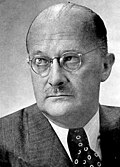
 German Reich
Explanation
Our bodies and foods like milk or eggs contain a fat called cholesterol. In 1928 Dr. Windaus studied cholesterol and similar molecules and grouped them under the name “sterols.” He discovered that when sterols are exposed to sunlight they turn into vitamin D inside the body. Vitamin D helps calcium build strong bones; we get it by playing outside in the sun or eating fish and dairy products. Thanks to his discovery, countless children avoided bone-softening diseases.
Related Keywords
sterol
Sterols are lipids characterized by a four-ring steroid nucleus bearing a single hydroxyl group. Embedded in cellular membranes, they modulate fluidity and permeability. Cholesterol in animals, sitosterol in plants and ergosterol in fungi are typical examples. Windaus systematically isolated various sterols and, noting their structural similarity, proposed them to be “molecular cousins.” Modern biosynthetic studies confirm his view, showing that all sterols derive from the common precursor squalene. Consequently, sterol research influences evolutionary biology, drug development and dietary cholesterol management.
cholesterol
Cholesterol is a major component of mammalian cell membranes and serves as a precursor for bile acids and steroid hormones. In the 19th century it was known as “cholesterin,” but its exact structure was elusive. Windaus used oxidative degradation and optical rotation to identify a 3β-hydroxyl group and a Δ⁵ double bond in its framework. His structural data later became the standard for blood cholesterol assays in atherosclerosis studies. Today lipoprotein profiling (LDL, HDL, etc.) is indispensable for predicting cardiovascular risk. Drugs targeting cholesterol metabolism—statins and PCSK9 inhibitors—are extensions of the research lineage initiated by Windaus’s structural work.
vitamin D
Vitamin D comprises secosteroids, molecules in which the conventional steroid ring is cleaved. Vitamin D₂ originates from ergosterol, while D₃ is formed from 7-dehydrocholesterol; both processes are triggered by ultraviolet light. The active metabolite 1α,25-dihydroxyvitamin D acts on intestinal epithelium to increase calcium absorption. Its receptors are also present in osteoblasts and immune cells, implicating vitamin D in bone remodeling and immune homeostasis. Windaus’s photochemical discovery led to the fortification of foods and pharmaceuticals with vitamin D, dramatically reducing rickets. Today research extends beyond deficiency to problems of hypercalcaemia and associations with chronic diseases.
ergosterol
Ergosterol is the predominant sterol in fungal and yeast membranes, exhibiting properties intermediate between plant phytosterols and animal cholesterol. In the 1920s Windaus demonstrated that ultraviolet irradiation of ergosterol produces a potent anti-rickets factor. Consequently, ergosterol became the industrial precursor for commercial vitamin D preparations. Even today mushrooms increase their vitamin D₂ content when exposed to sunlight through the same photoconversion. Many antifungal drugs act by inhibiting ergosterol biosynthesis, destabilizing the fungal cell membrane. Thus ergosterol is a key target both chemically and medically.
steroid nucleus
The steroid nucleus is a hydrocarbon skeleton of three fused six-membered rings and one five-membered ring (6-6-6-5), shared by many bioactive molecules. Windaus was a pioneer who deduced this intricate tetracyclic framework using chemical degradation alone. Later research showed that the cis/trans fusion pattern of the rings determines hormone activity. Modern synthetic steroid drugs are designed by precise functional and stereochemical modifications on this nucleus. Windaus’s deductions, made without NMR or X-ray crystallography, are regarded as masterpieces in structural chemistry. Studies of the steroid nucleus cross disciplinary boundaries, influencing pharmacology, materials science and synthetic methodology.
rickets
Rickets is a bone deformity disorder seen mainly in children due to impaired bone mineralization. Vitamin D deficiency leads to poor calcium absorption, causing enlarged growth plates and bow-legged or knock-kneed appearances. In 19th-century industrial cities it was rampant due to lack of sunlight and poor nutrition, earning the name “the English disease.” Windaus’s elucidation of vitamin D production established diet and sunlight therapy as standard prevention and treatment. Consequently, the incidence of rickets dropped dramatically in developed countries. Indoor lifestyles and heavy sunscreen use have recently renewed concerns, highlighting the need for continuous nutritional vigilance.
ultraviolet irradiation
Ultraviolet irradiation supplies energy to molecular π-bonds, triggering photochemical reactions. Windaus used the 254 nm mercury-lamp line to convert ergosterol into vitamin D₂. The process was adopted industrially, enabling mass production of vitamin D-fortified foods. Wavelength and fluence strongly affect product distribution and yield, making photoreactor design crucial. Because UV light can damage DNA, safety regulations are necessary. Photochemistry remains an active field for synthesizing new drugs and materials.
lipid metabolism
Lipid metabolism is the biochemical field covering synthesis, breakdown and transport of fatty acids, triacylglycerols and sterols. Cholesterol is produced via the HMG-CoA reductase pathway and delivered throughout the body by lipoproteins. Windaus’s structural work laid the foundation for identifying cholesterol metabolic routes, especially the oxidation-cyclization of squalene. Dysregulation results in diseases such as atherosclerosis, dyslipidemia and gallstones. Drugs like statins and fibrates target enzymes in lipid metabolism and are mainstays of lifestyle-related disease therapy. Omics analyses are now providing comprehensive views of lipid mediators, feeding into nutrition science and personalized medicine.