1929 Nobel Prize in Chemistry
Reason for Award
for their investigations on the fermentation of sugar and fermentative enzymes
Laureates
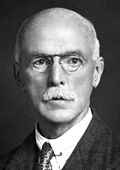
 United Kingdom of Great Britain and Northern Ireland
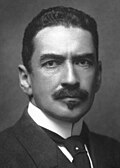
 Sweden,
  German Reich
Explanation
When we bake bread or brew beer, tiny organisms called yeast eat sugar and make bubbles. These bubbles are carbon dioxide that make bread rise and drinks fizzy. Mr. Harden and Mr. von Euler-Chelpin wanted to know how those bubbles appear. They discovered that inside yeast there are hard-working proteins called enzymes that change sugar step by step into new substances. They also showed that even liquid squeezed out of crushed yeast cells can keep fermenting. That means fermentation can happen without living cells as long as the enzymes are there. This finding is now the basis for food production and energy technologies.
Related Keywords
fermentation
Fermentation is a metabolic process in which microorganisms break down sugars or amino acids to gain energy. It uses organic molecules as electron acceptors, so oxygen is not required, and comes in many forms such as alcoholic or lactic fermentation. The reactions produce heat, carbon dioxide, alcohol, and organic acids that are exploited in making bread, beer, cheese, and more. Harden and von Euler-Chelpin showed that fermentation is a chain of enzyme-driven steps and that small helper molecules are indispensable. Today, optimizing fermentation is also central to biofuel and pharmaceutical production.
enzyme
Enzymes are high-molecular biological catalysts composed mainly of proteins. They lower activation energy and enable rapid, highly selective reactions at normal temperatures and pressures. In fermentation several enzymes cooperate, for example phosphofructokinase that converts glucose to fructose-1,6-bisphosphate. Harden demonstrated that enzymes work even outside living cells, a landmark in reducing biology to chemistry. Enzyme studies have since grown into structural biology and biopharmaceutical development.
yeast
Yeasts are unicellular fungi indispensable for food fermentations. Saccharomyces cerevisiae, the common baker’s yeast, efficiently converts sugars into ethanol and CO₂. Studies in Harden’s era revealed that extracts of yeast alone can ferment, pointing to internal enzyme systems. Because it is easy to manipulate genetically, yeast is a prime eukaryotic model used to study the cell cycle and metabolic regulation. Synthetic biology now engineers yeast as a factory for novel compounds.
zymase
Zymase is the soluble enzyme complex extracted from yeast that catalyzes alcoholic fermentation of sugars. Discovered by Buchner in the late 19th century, it gained prominence when Harden showed its activity rose dramatically in the presence of phosphate. It is a mixture of several glycolytic enzymes plus coenzymes that correspond to the upper section of modern glycolysis. Studies on zymase opened the era of extra-cellular enzymology. Though now a historical term, textbooks cite it as the starting point of in-vitro pathway reconstruction.
coenzyme
Coenzymes are small molecules that assist enzyme reactions by shuttling chemical groups or electrons. Many derive from vitamins; NAD⁺, FAD, and CoA are classic examples. Von Euler-Chelpin’s isolation of “cozymase,” which reactivated fermentation, greatly shaped the coenzyme concept. Because coenzymes are regenerated, they act repeatedly as regulators of energy and material flow in cells. Several are used as drugs, and abnormal coenzyme levels serve as diagnostic markers for metabolic disorders.
nicotinamide adenine dinucleotide (NAD⁺)
Nicotinamide adenine dinucleotide (NAD⁺) is a pyridine nucleotide that mediates electron transfer and red-ox reactions. It functions in fermentation, respiration, DNA repair, and more; the NADH/NAD⁺ ratio is a key indicator of cellular redox state. Von Euler-Chelpin’s work on “cozymase” paved the way for identifying NAD⁺. As a coenzyme, NAD⁺ is indispensable for alcohol dehydrogenase, lactate dehydrogenase, and many other enzymes. Recently, NAD⁺ metabolism has drawn attention for its links to aging and neurodegeneration, inspiring dietary NAD⁺ boosters.
glycolysis
Glycolysis is a sequence of ten reactions that break glucose down to pyruvate while generating ATP and NADH. Harden’s work on phosphate esters revealed the pathway’s early steps. Glycolysis is conserved in both eukaryotes and prokaryotes, providing energy and precursor metabolites simultaneously. It is a vital energy source for exercising muscle and for bacteria in oxygen-poor environments. Understanding its regulation is also essential for deciphering cancer’s elevated sugar metabolism, known as the Warburg effect.
phosphate
Phosphate is a polyooxo anion of phosphorus and oxygen and forms high-energy bonds in ATP and the backbone of nucleic acids. Harden discovered that phosphate dramatically boosts fermentation speed, highlighting phosphorylation as a key metabolic control. Phosphate esters activate intermediates and act as charge tags that prevent them from diffusing across membranes. Because environmental phosphorus limits biological productivity, agriculture applies large amounts as fertilizer. Excess runoff, however, causes eutrophication and challenges water-quality management.