1938 Nobel Prize in Chemistry
Reason for Award
for his work on carotenoids and vitamins
Laureates
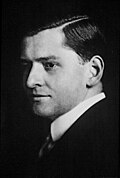
 Greater German Reich
Explanation
Carrots and tomatoes look orange or red because they contain coloring substances called carotenoids. Our bodies also need tiny helpers called vitamins to stay healthy. Dr. Richard Kuhn was the scientist who asked what these colors and vitamins are made of. He carefully took very small amounts of the pigments and vitamins out of plants and milk and found out their chemical shapes. Thanks to his work, we now know why eating carrots is good for our eyes and why a lack of vitamins can make us sick. For these important discoveries he received the Nobel Prize in Chemistry.
Related Keywords
carotenoid
Carotenoids are yellow to red fat-soluble pigments produced by plants, algae and many bacteria. More than a thousand species such as β-carotene and lycopene are known and share long polyene chains with conjugated double bonds. These chains absorb visible light and function in photosynthetic light harvesting, photoprotection and cellular signaling. In humans carotenoids act as antioxidants and, in the case of β-carotene, as precursors of vitamin A, making them valuable food components. Kuhn combined chromatography with spectroscopy to separate and structurally propose many carotenoids for the first time. His data remain a foundation for contemporary nutrition science and plant biology.
beta-carotene
β-Carotene is a prototypical carotenoid and the orange pigment abundant in carrots and pumpkins. It contains 11 conjugated double bonds that give it intense visible absorption. In the human body it is converted into two molecules of retinal, functioning as vitamin A that supports vision and immune competence. Kuhn deduced the basic skeleton of β-carotene from its absorption spectrum and fragmentation products. Modern nutrition science still discusses recommended intake levels and toxicity limits of this crucial micronutrient.
vitamin B2
Riboflavin, known as vitamin B2, is a yellow pigment that serves as the precursor of FMN and FAD. These flavin coenzymes bind to numerous oxidoreductases and participate in energy metabolism and lipid degradation. Kuhn extracted substantial amounts of riboflavin from milk and egg yolk and elucidated its molecular formula and isoalloxazine backbone. His synthetic pathway was used until modern microbial fermentation methods were developed. Because riboflavin deficiency causes angular stomatitis and growth retardation, fortification of foods and supplement manufacture have become common practice.
vitamin B6
Pyridoxine is one member of the vitamin B6 family and is converted in the body to pyridoxal-5-phosphate, an active coenzyme. The coenzyme supports amino-acid transamination, decarboxylation and racemization reactions, making it essential for protein metabolism. Kuhn isolated pyridoxine from yeast extracts and determined the arrangement of methyl and hydroxyl groups on its pyridine ring. This work led to diagnostic reagents for vitamin B6 deficiency. Today pyridoxine is reliably supplied by chemical synthesis and microbial fermentation.
spectroscopy
Spectroscopy measures the light absorbed or emitted by substances and reveals their molecular structures and energy states. Kuhn used UV-visible spectroscopy to quantify the correlation between conjugated polyene length and absorption wavelength. The resulting equation is now a textbook principle in dye chemistry. Spectroscopy is non-destructive, rapid and applicable to micro-quantities of sample, making it highly advantageous. Today a wide array of techniques – infrared, Raman, NMR and more – are standard analytical tools in organic chemistry and biochemistry.
antioxidant activity
Antioxidant activity refers to the ability of molecules to suppress cell damage caused by reactive oxygen species and free radicals. Carotenoids quench singlet oxygen via their conjugated double-bond systems and prevent lipid peroxidation in membranes. Kuhn’s work suggested that the long polyene chains stabilize unpaired electrons and thus confer antioxidant power. This insight is applied in the development of functional foods aimed at preventing age-related macular degeneration and atherosclerosis. The antioxidant mechanisms of carotenoids remain an active research topic in both pharmaceutical and food sciences.