1970 Nobel Prize in Chemistry
Reason for Award
for his discovery of sugar nucleotides and their role in the biosynthesis of carbohydrates
Laureates
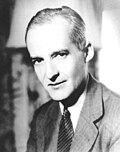
 Argentina
Explanation
Bread and rice contain sugars that give us energy. Inside our bodies, tiny courier molecules carry these sugars and turn them into new shapes that cells can use. Dr. Leloir discovered that the couriers are special compounds called “sugar nucleotides.” A sugar nucleotide acts like an envelope that safely delivers the sugar to where it is needed. Without these couriers, our bodies could not handle energy properly and we would get sick. His discovery helps us understand how our bodies stay active and healthy.
Related Keywords
sugar nucleotide
A sugar nucleotide is an activated monosaccharide covalently linked to a nucleoside diphosphate. It serves as the donor substrate for glycosyltransferases and is indispensable for the elongation of glycans and polysaccharides. Leloir’s work revealed that these molecules are central energy carriers in carbohydrate synthesis. Many species exist, such as UDP-glucose and GDP-mannose, each produced by a dedicated biosynthetic pathway. Their levels are altered in congenital disorders of glycosylation, making them valuable clinical biomarkers.
UDP-glucose
UDP-glucose is a prototypical sugar nucleotide generated from glucose-1-phosphate and UTP. It donates glucose residues during glycogen and cellulose biosynthesis. Leloir first identified the compound using P-32 labelling experiments. Its high-energy phosphate bond thermodynamically drives glucose transfer reactions. In drug discovery, UDP-glucose analogues serve as glycosyltransferase inhibitors or glycan labelling probes.
galactose metabolism
Galactose metabolism is the enzymatic series that converts dietary lactose-derived galactose into glucose. The cornerstone is the interconversion of UDP-galactose and UDP-glucose, collectively termed the Leloir pathway. Deficiency of galactose-1-phosphate uridylyltransferase causes classical galactosaemia. Mapping the metabolic flow aids neonatal screening and therapeutic decisions. The pathway also feeds into glycan biosynthesis, influencing immunity and signalling.
glycosyltransferase
Glycosyltransferases are enzymes that receive a sugar from a sugar nucleotide and transfer it to an acceptor molecule. They exhibit high substrate specificity and extend glycans while preserving stereochemistry. Leloir’s partial purifications demonstrated their donor-sugar selectivity. Protein engineering now tailors these enzymes to synthesize novel glyco-modified compounds. They are also key targets in analysing disease-related glycan alterations.
Leloir pathway
The Leloir pathway is the informal name for the metabolic route converting galactose to glucose-1-phosphate. It involves three main enzymes (GALK, GALT, GALE) acting sequentially. The pathway is named in honour of Leloir’s contributions. It is a diagnostic marker and therapeutic target in inborn errors of metabolism. Evolutionarily conserved from mammals to bacteria, it underscores the universality of sugar nutrition.
glycosylation
Glycosylation is the covalent attachment of glycans to proteins or lipids as a post-translational modification. Sugar nucleotides act as the donors. It is essential for cell recognition and receptor regulation and is closely linked to cancer and immune disorders. In biopharmaceuticals, proper glycosylation determines efficacy and stability. Leloir’s foundational work paved the way to decipher its molecular mechanisms.
high-energy phosphate bond
A high-energy phosphate bond is an anhydride linkage in ATP or sugar nucleotides that releases substantial free energy upon hydrolysis. It drives biosynthetic reactions in a forward direction. Leloir showed that the phosphate bond in UDP-glucose accelerates glucose transfer. Chemically it carries a ΔG°’ of roughly −30 kJ/mol. It is also vital in metabolic regulation and signalling.
congenital disorders of glycosylation
Congenital disorders of glycosylation are inherited diseases caused by defects in glycan synthesis enzymes or transporters. They often manifest as multi-system symptoms and neurodevelopmental issues. Quantifying sugar nucleotide levels and glycosyltransferase activities aids diagnosis. GALT deficiency in the Leloir pathway is a classic example. Therapeutic studies explore sugar nucleotide supplementation and gene therapy.