2022 Nobel Prize in Chemistry
Reason for Award
for the development of click chemistry and bioorthogonal chemistry
Laureates
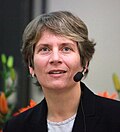
 United States of America

 Denmark
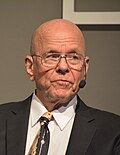
United States of America
Explanation
In chemistry, there is a way to make molecular parts snap together like LEGO bricks. This is called click chemistry. It lets molecules join easily without many complicated steps. A special version that works safely inside living bodies is called bio-orthogonal chemistry. Scientists use it to send medicines exactly where they are needed and to see what happens inside cells. Three researchers built and refined this handy toolbox, and that’s why they won the Nobel Prize.
Related Keywords
click chemistry
A synthetic philosophy that joins molecules rapidly and with minimal by-products, exhibiting broad functional-group tolerance. Coined by Barry Sharpless in the late 1990s, it has spread rapidly across drug discovery, materials science, and chemical biology. The term evokes the idea of molecules "snapping" together. Its combination of efficiency, scalability, and environmental compatibility makes it a model for green chemistry.
bioorthogonal chemistry
A class of chemical reactions that proceed selectively inside living systems without perturbing native biochemistry. Developed chiefly by Carolyn Bertozzi around 2000, it underpins live-cell glycan imaging, targeted drug delivery, and in-vivo diagnostics. Low toxicity and rapid kinetics in water are mandatory. SPAAC and tetrazine-TCO ligations are prominent examples.
azide-alkyne cycloaddition
A [3+2] cycloaddition between an azide and an alkyne to give a triazole. The two major variants are copper(I)-catalyzed (CuAAC) and strain-promoted (SPAAC). It provides excellent regioselectivity and yields, making it a staple for molecular labeling and polymer coupling. Discovered independently by Meldal and Sharpless around 2000.
copper catalysis
Cu(I) ions simultaneously activate azides and alkynes, dramatically accelerating the CuAAC reaction. Reaction rate and biocompatibility depend strongly on ligands and solvent. Copper catalysis is broadly used in electron-transfer and coupling reactions beyond click chemistry.
strain-promoted reaction
A method that uses highly strained alkynes such as cyclooctynes to cyclize rapidly with azides without metal catalysis. Highly bioorthogonal, it suits molecular labeling in cells and whole animals. The reaction’s activation barrier is offset by ring-strain energy.
triazole
The five-membered N-heterocycle produced by CuAAC or SPAAC. Chemically robust and capable of hydrogen bonding and π-stacking, it serves as a key scaffold in drug candidates and conductive materials. Triazole substitution often enhances metabolic stability.
glycan imaging
A technique for visualizing cell-surface or tissue glycans using fluorescent tags. Bioorthogonal click reactions label metabolically incorporated azido-sugars, now the predominant approach. It offers new avenues for cancer diagnostics and immune-response studies.
antibody–drug conjugate
A precision therapeutic that covalently links a cytotoxic payload to an antibody. Click chemistry enables site-specific payload installation, improving targeting and safety. Several ADCs generated via click ligations are in clinical trials.
functional polymer materials
Polymers endowed with functions such as photo-electric conversion, antibacterial activity, or self-healing. Embedding clickable sites in the main or side chains allows post-polymerization attachment of diverse functional molecules. Industrial coatings and flexible electronics are among the emerging applications.
green chemistry
A design philosophy that minimizes environmental impact. Click chemistry meets many green-chemistry criteria—high atom economy, mild conditions, and water as solvent—making it a sustainable synthesis platform.