1966 Nobel Prize in Literature(2)
Reason for Award
for her outstanding lyrical and dramatic writing, which interprets Israel's destiny with touching strength
Laureates
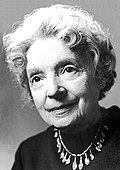
 Germany,
  Sweden
Explanation
Nelly Sachs was a poet who turned sorrow and hope into verse; she was born in Germany and found refuge in Sweden. As a Jew, she fled the Nazis and escaped to Sweden. She expressed her painful experiences through gentle images like stars and birds, comforting readers. In poems and plays she spoke about the strength to survive suffering. People who read her feel encouraged, like seeing dawn after a dark night. These deeply moving works earned her the Nobel Prize in Literature.
Related Keywords
Holocaust
The Holocaust was the systematic murder of more than six million Jews by Nazi Germany during World War II. It is remembered as an unprecedented genocide in human history. Sachs’ writing poetically resurrects voices lost in the Holocaust, keeping the memory of the dead alive. She represents absence through symbols and silences rather than graphic detail. This approach provides an important model for literary treatment of trauma.
Exile
Exile refers to being forced to leave one’s homeland to escape persecution or danger. Sachs fled Nazi persecution and took refuge in Sweden. Her poems hold both the pain of losing home and the hope of surviving in a new land. This duality universalizes the psychological challenges faced by migrants and refugees. Exile literature compels us to reconsider notions of nationhood and identity.
Poetic drama
Poetic drama refers to plays written in verse, rich with rhythm and imagery. Sachs’ “Eli: A Mystery Play” dramatizes Holocaust victimhood in this form. Poetic language buffers brutality by presenting it symbolically. Audiences absorb tragic content on a deeper emotional level through combined visual and auditory perception. Poetic drama remains a powerful method for addressing ethical and religious questions in contemporary theatre.
Mysticism
Mysticism denotes a quest for direct experience of the sacred or ultimate truth. Jewish mysticism (Kabbalah) speaks of creation and redemption via symbols like light, sparks, and broken vessels. Sachs imports Kabbalistic imagery, sublimating historical tragedy into cosmic healing. Personal suffering thus expands into global solidarity, inviting universal empathy. Study of mysticism in literature develops at the intersection of religion, psychology, and literary theory.
Expressionism
Expressionism depicted the world through distorted inner emotions rather than realism. In German literature it used powerful metaphors and fragmented syntax to convey fear and anxiety. Sachs’ poetry inherits expressionist techniques with sharp imagery and irregular rhythm that visualize emotional extremity. Readers confront the shock of the Holocaust through the senses rather than pure reason. Expressionist methods remain effective in modern poetry and visual art dealing with trauma.