2009 Nobel Prize in Literature
Reason for Award
who, with the concentration of poetry and the frankness of prose, depicts the landscape of the dispossessed
Laureates
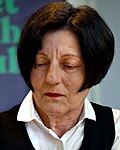
 Germany
Explanation
Herta Müller’s books use short poems and clear sentences to show how painful it is for people who have lost their homes. Through pictures of trees and landscapes she helps even children imagine the fear of a dictatorship and its secret police. Her stories make us feel how precious freedom and peace are.
Related Keywords
dictatorship
A political system in which power is concentrated in a single party or leader and dissent is suppressed. Müller’s central theme is the oppression under Nicolae Ceaușescu, and she conveys its everyday fear through delicate imagery.
censorship
The act of authorities pre-screening publications or speech and deleting or banning inconvenient content. Müller’s early books were censored, and she exposed the violence inherent in such control through her literature.
exile
Living outside one’s homeland to escape persecution or danger. Müller moved to Germany in 1987; her layered portrayal of lost homeland and struggles in a new country makes her a key figure in diaspora literature.
German-language literature
The body of literary works written in German. Though born in Romania, Müller narrates Eastern European history in German, questioning the link between language and identity.
forced labor camp
Facilities where the state confines people and forces them into harsh labor. Müller’s mother was sent to a Soviet camp after World War II, a trauma symbolically reconstructed in novels like “Atemschaukel,” turning literature into a space for shared memory of oppression.