1901 Nobel Prize in Physiology or Medicine
Reason for Award
for his work on serum therapy, especially its application against diphtheria, by which he has opened a new road in the domain of medical science and thereby placed in the hands of the physician a victorious weapon against illness and deaths
Laureates
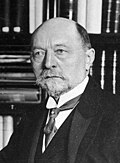
 German Empire
Explanation
Long ago, a throat illness called “diphtheria” made many children very sick and often took their lives. Dr. Emil Behring paid attention to a liquid called “serum” that can help the body fight disease. He gave small amounts of diphtheria toxin to horses so the animals would build up power to defeat the poison. When he took serum from the horses’ blood and injected it into people, that power instantly entered the patients’ bodies. Thanks to this method, the number of children dying from diphtheria dropped dramatically. Dr. Behring’s discovery became the first step toward today’s vaccines and injectable medicines that stop diseases.
Related Keywords
serum therapy
Serum therapy is a method in which serum obtained from an individual or animal immune to a specific pathogen is administered to another individual for treatment or prevention. First suggested by Behring and Shibasaburo Kitasato in tetanus in 1890, it was later applied to diphtheria, plague, meningitis and many other infections. For several decades until antibiotics became widespread, serum therapy was the only effective clinical weapon against severe infectious diseases. Recently, a similar approach using convalescent plasma has regained attention for emerging infections such as Ebola and COVID-19. Behring’s serum therapy is the conceptual and technological ancestor of today’s immunoglobulin preparations and monoclonal antibody treatments.
diphtheria
Diphtheria is an infection caused by toxigenic Corynebacterium diphtheriae, producing an exotoxin that forms a pseudomembrane in the throat and can lead to suffocation or cardiac damage. In the 19th century it spread mainly among children and was feared under the nickname “the strangling angel.” Once the toxin enters the bloodstream it can cause neuropathy and myocarditis, making prompt treatment essential. After introduction of serum therapy and toxoid vaccines, cases plummeted in industrialized nations, yet the disease can re-emerge when vaccination coverage declines. Diphtheria still circulates in certain regions today, requiring continuous surveillance and vaccination campaigns.
antitoxin
An antitoxin is a type of antibody that specifically binds to a bacterial toxin and neutralizes its activity, representing a major effector of humoral immunity. Behring demonstrated that antitoxin extracted from serum could be administered to humans to neutralize diphtheria toxin. Antitoxin potency is quantified by neutralization assays, a system that evolved into today’s International Units (IU). Even now, antitoxin preparations such as tetanus antitoxin or snake-venom antiserum are used in emergencies. The discovery of antitoxins helped establish the immunological principle that antibodies bind antigens with high specificity, like a key fits a lock.
passive immunity
Passive immunity is a form of protection obtained by transferring antibodies or immune cells produced by another individual. Serum therapy is a classical example: antibodies are injected, giving rapid but short-lived protection lasting weeks to months. Natural passive immunity occurs when newborns receive maternal antibodies through the placenta or breast milk. Modern COVID-19 treatments using neutralizing antibodies or convalescent plasma follow the same principle. Passive immunity complements active immunity from vaccines and is vital in emergencies or for immunocompromised patients.
Corynebacterium diphtheriae
Corynebacterium diphtheriae is a Gram-positive rod that infects human respiratory mucosa as its only natural host. Its toxin gene, tox, is carried by a lysogenic phage and toxin production is induced under low iron conditions. The exotoxin is an NAD+-dependent ADP-ribosyltransferase that inactivates elongation factor-2 (EF-2), halting protein synthesis. Pathogenicity is determined by Elek tests or PCR; only toxin-producing strains cause severe diphtheria. Current vaccines use a detoxified toxoid to induce immunological memory and prevent infection.
toxoid
A toxoid is a vaccine material in which a toxin is inactivated chemically or thermally while retaining its antigenicity. Formalin treatment is the most common process, refined by Ramon on the basis of Behring’s earlier work. Toxoids form the core of vaccines against toxin-mediated diseases such as diphtheria and tetanus and are components of the combined DTP vaccine. Toxoid vaccination induces active immunity, and the resulting antibodies persist long, so booster shots are needed only every ten years. The toxoid approach is being explored for vaccines against botulinum toxin and plant toxins in recent research.
antibody
Antibodies are immunoglobulins produced by B cells that bind antigens specifically and mediate neutralization or opsonization. Behring’s antitoxin work was the first to demonstrate that antibodies can directly inactivate pathogenic molecules. Antibody classes include IgG, IgM, IgA and others; serum therapy makes use mainly of the IgG fraction. Modern monoclonal antibody technology clones antibody genes against a particular antigen and mass-produces them, providing safer and more consistent products than traditional serum therapy. Antibody engineering has generated diverse applications in cancer immunotherapy, autoimmune-disease treatment, and now tops global pharmaceutical sales.
immunology
Immunology is the science that studies how organisms defend themselves against pathogens and foreign substances, born in the late 19th century with the advent of serum therapy and phagocytosis research. The two major branches, humoral and cellular immunity, were delineated through debates between Behring and Metchnikoff. Subsequent theories such as the side-chain hypothesis, clonal selection, and immune tolerance unravelled the molecular mechanisms of antibody production and T-cell differentiation. Modern immunology is deeply integrated with vaccine development, allergy, autoimmune disorders, and cancer immunotherapy. Behring’s work is also regarded as an early example of translational research, bridging experimental methods with clinical application.