1908 Nobel Prize in Physiology or Medicine
Reason for Award
for their work on immunity
Laureates
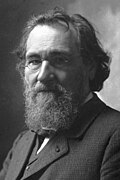
 Russian Empire
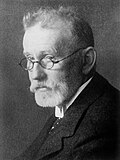
 German Empire
Explanation
Our bodies have a system called immunity that protects us from germs and viruses. Mechnikov watched tiny starfish larvae and discovered that white blood cells swallow microbes. It works like a vacuum cleaner that sucks up dirt. Ehrlich, on the other hand, found special proteins in the blood called antibodies that stick to germs and stop them. Thanks to their discoveries we know the body defends itself both with cells that eat invaders and with fluids that lock them up. Modern vaccines and many medical tests make use of this immune power.
Related Keywords
phagocytosis
Phagocytosis is the process by which a cell engulfs and digests solid particles. Phagocytes such as neutrophils and macrophages use it to provide first-line defense against infection. Internalized microbes are destroyed in phagolysosomes containing hydrolytic enzymes and reactive oxygen species. Pattern-recognition receptors like Toll-like receptors help recognize targets during this process. Since Mechnikov’s discovery, phagocytosis has also been recognized as crucial for clearing dead cells and supporting tissue repair.
antibody
Antibodies are Y-shaped proteins secreted by B cells that bind antigens with high specificity. Ehrlich’s side-chain theory posited that antibodies are shed membrane receptors, anticipating the idea of receptor diversity. We now know that V(D)J recombination and somatic hypermutation generate this diversity. Antibodies exert multiple effector functions including neutralization, opsonization and complement activation. They are widely employed as diagnostic reagents and therapeutic monoclonal drugs.
innate immunity
Innate immunity is the defense system present from birth, comprising phagocytes, complement, interferons and more. It recognizes pathogen-associated molecular patterns (PAMPs) and rapidly triggers inflammation and protective responses. Mechnikov’s phagocytosis work illuminated the cellular basis of innate immunity. Compared with adaptive immunity it shows limited specificity but excels in speed and breadth. Recently the memory-like phenomenon called trained immunity has attracted much interest.
adaptive immunity
Adaptive immunity develops specifically in response to an antigen, involving T cells and B cells. Ehrlich’s work formalized antibody-mediated humoral immunity, later integrated with T-cell-dependent responses. Adaptive immunity generates memory, enabling rapid and potent reactions upon re-exposure to the same pathogen. Vaccines exploit this property to prevent infectious diseases. Dysregulated adaptive responses can cause allergies and autoimmune disorders.
side-chain theory
The side-chain theory is a molecular model of immunity proposed by Ehrlich. He posited that when a toxin binds a receptor ‘side chain’ on the cell surface, the side chain is overproduced and released as an antitoxin (antibody). The model explained the specificity, diversity and amplification of immune responses. Subsequent discovery of antibody gene rearrangements confirmed the theory’s essential insight. It is historically important as the origin of the antigen-receptor concept.
macrophage
Macrophages are large phagocytes of myeloid origin, including resident and recruited populations. Mechnikov called them the ‘guardians of the body’, emphasizing their role in ingesting pathogens and clearing cellular debris. Today they are known to produce cytokines, present antigens and mediate tissue repair. Research on M1/M2 polarization and tumor-associated macrophages has highlighted them as targets for cancer therapy. CRISPR-mediated macrophage reprogramming is being explored for next-generation immunotherapies.
complement system
The complement system is a cascade of more than 30 serum proteins. Ehrlich deduced its existence by showing that antibodies alone cannot cause hemolysis without a heat-labile ‘complement’. The classical, lectin and alternative pathways activate sequentially to form the membrane attack complex, piercing pathogen membranes. Complement acts as an opsonin to boost phagocytosis and releases potent inflammatory mediators. Deficiencies or overactivation of complement cause autoimmune and inflammatory diseases, making complement inhibitors attractive therapeutics.
magic bullet
The ‘magic bullet’ is Ehrlich’s idea of a drug that targets only the pathogen while sparing the host. He realized it with the arsenical compound Salvarsan (compound 606), revolutionizing syphilis treatment. This inaugurated modern chemotherapy and introduced the chemotherapeutic index as a measure of selective toxicity. The idea underpins drug design from antibiotics to molecularly targeted agents and antibody-drug conjugates. Targeting technologies in anticancer drugs and biopharmaceuticals inherit the magic-bullet concept.