1922 Nobel Prize in Physiology or Medicine(1)
Reason for Award
for his discovery relating to the production of heat in the muscle
Laureates
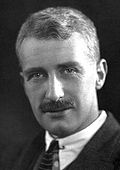
 United Kingdom of Great Britain and Northern Ireland
Explanation
When we run or jump our body feels warmer because muscles create heat while they work. Dr. Hill used frog muscles to measure exactly how much heat is released during a contraction. He found that muscles produce heat very quickly and keep giving off heat for a short time after the movement stops. This discovery helps us understand why we sweat and why our temperature rises during exercise. That is why it is important to drink water and rest after sports to keep our body temperature safe.
Related Keywords
muscle heat
Muscle heat refers to the thermal energy released as muscle fibres contract and relax. It originates primarily from ATP hydrolysis and the activity of Ca2+ pumps. The rate of heat production rises with exercise intensity. The liberated heat triggers physiological responses such as increased core temperature, sweating, and enhanced skin blood flow. Altered patterns of muscle heat in disease make thermal imaging a useful diagnostic tool.
oxygen debt
Oxygen debt is the extra amount of oxygen taken up after anaerobic exercise. The term is a financial metaphor: the missing oxygen delivered later “pays back” what was owed during intense effort. The excess oxygen is used to oxidize lactic acid and resynthesize ATP and phosphocreatine. Measuring oxygen debt helps estimate an individual’s fitness level and the relative use of metabolic pathways. It is an important parameter for designing training or rehabilitation programs.
calorimetry
Calorimetry is an experimental technique for directly measuring heat quantities, widely used in physics, chemistry, and physiology. In biological calorimetry, very small heat changes produced or absorbed by tissues or whole organisms are detected with sensitive sensors. Hill built a semi-adiabatic calorimeter of his own design and was the first to resolve instantaneous heat changes during muscle contraction. Today, micro-calorimeters are applied to drug reactions and cellular metabolism studies. Quantitative heat data enable calculation of thermodynamic parameters and validation of energy balance models.
isometric contraction
An isometric contraction is a mode of muscle activity in which muscle length remains constant while tension is generated. Pushing against an immovable wall with your arms is a familiar isometric example. Hill’s experiments showed that heat is produced in this state even though no mechanical work is done. ATP is still hydrolyzed and its energy released as heat, providing crucial data for metabolic studies. Isometric tests are now widely used in muscle strength assessment and neuromuscular disease diagnostics.
energy conversion efficiency
Muscle energy conversion efficiency denotes the fraction of chemical energy (ATP breakdown) that becomes mechanical work. By measuring heat and work simultaneously, Hill showed that efficiency reaches at most about 25 %. The remaining energy dissipates as heat, contributing to body-temperature maintenance and heat loss. Efficiency varies with fibre type, exercise intensity, and temperature. Sports science and bioengineering explore training methods and prosthetic designs that can improve this efficiency.