1922 Nobel Prize in Physiology or Medicine(2)
Reason for Award
for his discovery of the fixed relationship between the consumption of oxygen and the metabolism of lactic acid in the muscle
Laureates
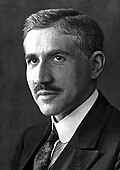
 German Reich
Explanation
When we run, our muscles make a substance called “lactic acid” and later use oxygen to remove it. Dr. Meyerhof studied frog muscles and discovered that the amount of lactic acid made and the oxygen later consumed are always linked in a fixed ratio. That means if we know how much lactic acid was produced, we can predict how much oxygen will be needed afterward. Thanks to this finding, scientists can better explain why muscles get tired during exercise. It also tells us why deep breathing after sports helps our muscles recover.
Related Keywords
lactic acid
Lactic acid is the endpoint of glycolysis under anaerobic conditions, produced when pyruvate is reduced by lactate dehydrogenase. When muscles work hard and oxygen delivery lags, lactate production accelerates to allow rapid ATP synthesis. Accumulated lactate lowers intracellular pH and has long been linked to fatigue and burning sensations. Conversely, lactate travels through the bloodstream to the liver or heart where it is reused, providing metabolic flexibility. Measuring lactate concentration is indispensable for controlling exercise intensity and evaluating tissue hypoxia clinically.
anaerobic metabolism
Anaerobic metabolism generates ATP without using oxygen, with glycolysis and fermentation as prime examples. In muscle it temporarily predominates to meet sudden energy demands. Lactate production is a hallmark of anaerobic metabolism and closely linked to the development of oxygen debt. Although its energy yield is lower than aerobic metabolism, its reaction rate is higher. Training-induced mitochondrial biogenesis lowers anaerobic dependence and improves endurance.
aerobic metabolism
Aerobic metabolism uses oxygen in mitochondria to completely oxidize pyruvate and fatty acids, yielding large amounts of ATP. Meyerhof’s work suggested that lactate produced anaerobically is processed later by aerobic mechanisms. The respiratory quotient and oxygen uptake are key physiological indicators for evaluating aerobic activity. Aerobic training increases mitochondrial density and oxidative enzyme activity, improving energy efficiency. Reduced aerobic capacity is a contributing factor to chronic fatigue and heart failure in pathological states.
glycolysis
Glycolysis is a ten-step metabolic pathway that converts glucose to pyruvate while producing ATP and NADH. When mitochondria cannot be used, pyruvate is reduced to lactate to regenerate NAD+. Meyerhof’s kinetic analysis greatly contributed to the pathway’s characterization, hence the name Embden–Meyerhof pathway. Glycolysis functions as a major energy source in oxygen-poor tissues such as red blood cells and tumours. Recently, inhibitors of glycolytic enzymes have become promising targets for cancer metabolic therapy.
Cori cycle
The Cori cycle is a metabolic loop in which lactate produced in muscle travels to the liver via the bloodstream and is converted back into glucose through gluconeogenesis. The generated glucose is then supplied back to the muscle as a fuel substrate. The cycle maintains blood glucose during exercise and accelerates lactate clearance after intense activity. Meyerhof’s “fixed relation” between lactate and oxygen provided quantitative insight into lactate oxidation via the Cori cycle. Impaired Cori-cycle function in liver disease or diabetes may cause metabolic complications.
oxygen consumption rate
The oxygen consumption rate indicates the amount of oxygen used by a tissue per unit time and is a hallmark of energy metabolism. Meyerhof employed this measure to calculate the oxygen requirement for lactate metabolism. VO2 measurement in exercise physiology assesses maximal oxygen uptake and training effects. In medicine, cardiopulmonary exercise testing uses oxygen consumption to grade disease severity. Emerging high-resolution respirometry now allows analysis of oxygen consumption at the cellular and mitochondrial levels.