1923 Nobel Prize in Physiology or Medicine
Reason for Award
for the discovery of insulin
Laureates
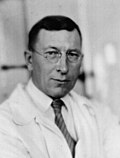
 Canada
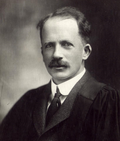
 United Kingdom of Great Britain and Northern Ireland
Explanation
Our bodies get energy from sugar (glucose) in the food we eat. When there is too much glucose in the blood, the body cannot work properly. Insulin acts like a “key” that helps glucose move into the cells where it is used for energy. Dr. Banting and his team took insulin from a dog’s pancreas and saved diabetic dogs. This discovery led to insulin shots for people, rescuing patients who once had no hope. Today, children and adults around the world live healthy lives thanks to insulin.
Related Keywords
insulin
A 51-amino-acid peptide hormone produced by pancreatic β-cells that drives glucose uptake into cells. It suppresses gluconeogenesis and promotes lipid and protein synthesis, earning the title “master regulator of metabolism.” Medicinally it is delivered by injection or pump and is essential for survival in type 1 diabetes.
diabetes mellitus
A group of metabolic disorders characterized by chronic hyperglycemia caused by absent or insufficient insulin action. Type 1 involves autoimmune β-cell destruction, whereas type 2 combines insulin resistance with secretory failure. Untreated, it leads to complications such as retinopathy, nephropathy, and neuropathy.
islets of Langerhans
Endocrine micro-organs scattered within the pancreatic parenchyma containing β, α, δ and other cell types. β-cells secrete insulin whereas α-cells release glucagon, providing bidirectional control of blood glucose. They are central targets for regenerative medicine and islet transplantation research.
blood glucose level
The concentration of glucose in the bloodstream, normally 70–100 mg/dL when fasting in healthy adults. It is fine-tuned minute-by-minute by feedback between insulin and glucagon. Levels that are too high or too low cause consciousness disturbances and organ damage.
hormone therapy
A therapeutic approach that supplements or modulates endogenous hormones; insulin is the archetypal case. Because it replaces a missing factor directly, it acts rapidly and corrects underlying pathophysiology. Recently other peptide hormones such as leptin and GLP-1 agonists have entered clinical use.