1934 Nobel Prize in Physiology or Medicine
Reason for Award
for their discoveries concerning liver therapy in cases of anaemia
Laureates
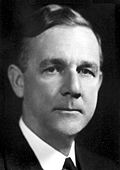
 United States of America
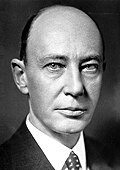
United States of America
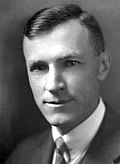
United States of America
Explanation
Inside our bodies we have “red blood cells” that carry oxygen; if we do not have enough of them, we feel tired – this is called anaemia. Dr. Whipple and his colleagues fed liver to sick dogs and saw that their red blood cells increased. They then showed that eating liver helped people with severe anaemia get better. The scientists explained that liver contains special nutrients that the body needs to make blood. Today we can take medicines or supplements, but at that time this was a groundbreaking treatment.
Related Keywords
anemia
A condition in which the number of red blood cells or the haemoglobin concentration in blood falls below normal. The reduced oxygen-carrying capacity causes fatigue, palpitations and dyspnoea. Etiologies include bleeding, nutritional deficiency, bone-marrow failure and haemolysis. The work of Whipple, Minot and Murphy opened a new therapeutic path for nutritional anaemias. Today, laboratory tests and bone-marrow studies allow detailed subclassification and targeted therapy.
pernicious anemia
A megaloblastic anaemia caused by autoimmune gastritis leading to intrinsic-factor deficiency and impaired vitamin B12 absorption. In the early 1900s it was almost invariably fatal. Liver therapy was the first effective treatment and dramatically improved survival. Later, parenteral B12 injections became the standard of care, giving patients an excellent prognosis. The research contributed to the modern concepts of autoimmune disease and malabsorption.
liver therapy
A treatment in which large quantities of animal liver are eaten to stimulate haematopoiesis. Developed clinically by Minot and Murphy based on Whipple’s dog experiments. Its efficacy pointed to the presence of haematopoietic factors such as vitamin B12 and iron, spurring efforts to identify them. Because of the burden and hygiene issues of raw-liver ingestion, the therapy was later replaced by liver extracts and purified B12 preparations. Historically, it is regarded as an early example of evidence-based medicine.
vitamin B12
A water-soluble vitamin with a corrinoid structure centred on cobalt. Essential for methionine synthesis and nucleotide production; deficiency causes megaloblastic anaemia and neurologic damage. Isolated from liver extract in 1948 and structurally elucidated by Hodgkin in 1956. Widely used today as injectable and oral preparations. The discovery was strongly guided by the earlier liver-therapy studies of Whipple and colleagues.
bone marrow hematopoiesis
The process by which haematopoietic stem cells divide and differentiate within bone marrow to produce red cells, white cells and platelets. It is regulated by nutrients such as iron, B12 and folate, and by erythropoietin and cytokines. Whipple’s work demonstrated that nutrition directly influences haematopoietic capacity, deepening our understanding of blood physiology. Today, marrow aspiration and flow cytometry allow detailed assessment, informing leukaemia therapy and stem-cell transplantation. Dysregulation leads to anaemia, neutropenia, thrombocytopenia and other clinical manifestations.
iron metabolism
Iron is an essential metal in haemoglobin and cytochromes; its absorption, transport and storage are tightly controlled. The liver stores iron as ferritin and releases it when needed. Whipple’s observation that liver feeding accelerated post-hemorrhagic iron recovery highlighted the iron-haematopoiesis relationship. The discovery of hepcidin elucidated molecular iron homeostasis, informing treatment of iron-deficiency anaemia and iron-overload disorders. Clinically, serum ferritin, transferrin saturation and soluble transferrin receptor levels are used for diagnosis.