1950 Nobel Prize in Physiology or Medicine
Reason for Award
for their discoveries relating to the hormones of the adrenal cortex, their structure and biological effects
Laureates
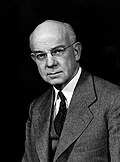
 United States of America

 Switzerland
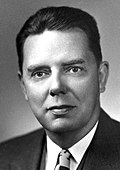
United States of America
Explanation
Our bodies use tiny chemical messengers called hormones. A small organ that sits on top of the kidney, the adrenal gland, makes special hormones that help us during stress or injury. Mr. Kendall and his colleagues discovered these adrenal hormones, gave them names, and figured out how they work. The hormones can calm swelling and pain, so they became medicines doctors still use today. Without their discovery, modern steroid drugs would not exist.
Related Keywords
adrenal cortex
The adrenal cortex is the outer layer of the adrenal gland, perched atop each kidney, and produces steroid hormones. Its glucocorticoids and mineralocorticoids regulate stress responses, metabolism, and electrolyte balance. It has three zones—glomerulosa, fasciculata, and reticularis—each with distinct synthetic enzymes. The 1950 Nobel work was groundbreaking because it first isolated and chemically defined the active molecules secreted by this tissue. Subsequent insights into Addison’s disease and Cushing’s syndrome stem directly from this discovery.
cortisone
Cortisone, originally isolated as Compound E, is a glucocorticoid still used to treat rheumatoid arthritis and dermatitis. In the body it is inactivated by 11β-hydroxysteroid dehydrogenase type 2 and re-activated to cortisol by type 1, forming a local shuttle system. Synthetic cortisone became widely available via the semisynthetic Reichstein process starting from pregnenolone. By the late 1950s its side-effects—susceptibility to infection and hyperglycemia—motivated the search for more selective steroid analogues. Cortisone thus served as an early model for pharmacokinetics and receptor biology studies.
steroid hormone
Steroid hormones are lipid-soluble compounds with a characteristic ring structure, including adrenal hormones, sex hormones, and vitamin D derivatives. They cross cell membranes and bind intracellular receptors to regulate gene transcription. The 1950 discoveries laid the technical groundwork for chemical synthesis and structural determination of steroids. Modifying the steroid backbone led to the concept of separating anti-inflammatory and mineralocorticoid activities. Synthetic steroids are now indispensable for treating asthma, autoimmune diseases, and post-transplant immunosuppression.
anti-inflammatory effect
The anti-inflammatory effect denotes the pharmacological suppression of redness, swelling, heat, and pain linked to tissue damage or infection. Adrenal steroids act pleiotropically: they suppress cytokine production, induce lymphocyte apoptosis, and reduce vascular permeability. Hench’s clinical work in rheumatoid arthritis demonstrated these effects and ushered in a new era for chronic inflammatory disease therapy. Dose minimization and topical formulations were later developed to manage side-effects. Molecular studies ultimately traced the mechanism to inhibition of transcription factors such as NF-κB and AP-1, enabling deeper analysis of inflammation signaling networks.
HPA axis
The hypothalamic–pituitary–adrenal (HPA) axis is an endocrine feedback system regulating stress responses and circadian rhythms. Hypothalamic CRH stimulates pituitary release of ACTH, which in turn drives cortisol production in the adrenal cortex. Cortisol exerts negative feedback on CRH and ACTH, maintaining hormonal homeostasis. Techniques for hormone isolation and quantification pioneered in 1950 paved the way for radioimmunoassays that accurately measure HPA activity. The axis is now central to diagnosing and treating stress-related disorders, depression, and Cushing’s syndrome.