1953 Nobel Prize in Physiology or Medicine(2)
Reason for Award
for the discovery of co-enzyme A and its importance for intermediary metabolism
Laureates
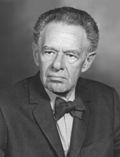
 United States of America
Explanation
Inside our body, special molecules called “coenzymes” help enzymes do their jobs. Dr. Fritz Lipmann discovered one of the most important of these, coenzyme A. Coenzyme A acts like a small cart that carries a piece called “acetyl” from food to different cellular factories. Because of this delivery service, we can make energy and build fats. In other words, coenzyme A works like an internal courier system.
Related Keywords
coenzyme A
A pantothenate-derived thiol cofactor that transports acetyl and other acyl groups via high-energy thioester bonds. It acts as a metabolic “traffic director” in virtually all cells.
acetyl-CoA
The activated molecule formed when an acetyl group binds CoA. It is the substrate for the TCA cycle and the starting material for fatty-acid, cholesterol and ketone-body synthesis.
vitamin B₅ (pantothenic acid)
A constituent of coenzyme A. Deficiency leads to dermatitis and neurological issues. Abundant in supplements, cereals and meats.
thioester bond
A high-energy bond between sulfur and carbon. Its hydrolysis releases substantial free energy, driving metabolic reactions forward.
fatty-acid synthesis
A reaction sequence in which fatty-acid synthase elongates carbon chains from acetyl-CoA and malonyl-CoA. Essential for energy storage and membrane formation.
histone acetylation
An epigenetic mechanism in which acetyl groups from acetyl-CoA are added to lysine residues on histones, loosening chromatin and regulating gene expression.
PANK enzyme
Pantothenate kinase, the rate-limiting enzyme in CoA biosynthesis; mutations cause the neurodegenerative disease PKAN.