1955 Nobel Prize in Physiology or Medicine
Reason for Award
for his discoveries concerning the nature and mode of action of oxidation enzymes
Laureates
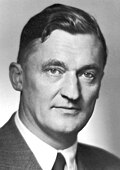
 Sweden
Explanation
Inside our bodies there are many tiny workers that turn food into energy. These workers are proteins called enzymes. Like machines in a factory, enzymes make chemical reactions go much faster. Mr. Theorell studied the group called “oxidation enzymes” very carefully. Oxidation enzymes are needed for breathing and “burning” food; they move tiny particles called electrons to release energy. He found out what these enzymes look like and what special tools (coenzymes) they use. Thanks to his work, we understand much better how people and animals create energy. This knowledge also helps doctors and scientists develop medicines to keep us healthy.
Related Keywords
oxidation enzyme
Oxidation enzymes are a broad class that catalyze oxidation reactions by removing electrons from substrates. Most contain cofactors such as heme iron, copper or flavin, which pass the electrons to the next acceptor. They operate in virtually every aspect of life, from mitochondrial respiration and detoxification to immune-mediated reactive oxygen generation. The rate and specificity of oxidation enzymes determine cellular energy output and are directly linked to disease onset. Theorell’s work elucidated their active centers and mechanisms, laying the foundation for modern enzymology.
coenzyme NAD⁺
NAD⁺, the oxidized form of nicotinamide adenine dinucleotide, binds to enzymes and accepts electrons. Once reduced to NADH it feeds the mitochondrial electron-transport chain, driving ATP synthesis and the energy economy of the cell. Theorell captured the sequential binding of NAD⁺ to alcohol dehydrogenase and the hydride-transfer event by spectroscopy. The cellular NAD⁺/NADH ratio is a key redox indicator and plays central roles in aging, cancer and diabetes research. Efforts to boost NAD⁺ levels through supplements or drugs build on the mechanistic understanding initiated by Theorell.
catalase
Catalase is a heme-containing enzyme that rapidly decomposes hydrogen peroxide (H₂O₂) into water and oxygen. H₂O₂ is a reactive oxygen species that can damage cells, so its removal is vital for oxidative-stress defense. Theorell identified the first intermediate of the catalase reaction, “Compound I,” and formalized the catalytic mechanism. A single catalase molecule can process several million H₂O₂ molecules per second, displaying extraordinary catalytic efficiency. Catalase activity is a key marker in studies of aging and inflammatory diseases and is a target for drug development.
peroxidase
Peroxidases are heme enzymes that oxidize substrates using hydrogen peroxide or organic peroxides. They occur in spinach leaves, human thyroid and many other tissues, supporting cell-wall hardening and hormone synthesis. Theorell tracked spectral changes in peroxidase and showed that a high-valent iron-oxo intermediate similar to catalase Compound I is formed. His findings facilitated the development of antiseptics and the widespread peroxidase test for food quality control. Foundational data for horseradish peroxidase (HRP), the workhorse of immunostaining, also rest on Theorell’s studies.
spectroscopic analysis
Spectroscopic analysis measures the wavelengths of light absorbed or emitted by a substance to reveal its structure and state. Theorell used UV-visible spectroscopy to quantify subtle absorption shifts when enzymes bound their coenzymes. This allowed him to capture extremely short-lived intermediates in enzymatic reactions on the millisecond scale. His techniques foreshadowed modern stopped-flow, flash photolysis and time-resolved X-ray crystallography. Spectroscopy now underpins drug screening and clinical diagnostics as an indispensable tool.
redox reaction
Redox reactions are chemical processes in which electrons are transferred, changing the oxidation states of molecules. They underpin respiration, photosynthesis and detoxification in living organisms, serving as the core of energy conversion. Oxidation enzymes catalyze these reactions, moving electrons safely and efficiently. Imbalances in redox reactions produce oxidative stress, contributing to aging, inflammation and cancer. Theorell’s work provided quantitative methods to analyze biological redox reactions.
alcohol dehydrogenase
Alcohol dehydrogenase (ADH) is a zinc-containing enzyme that oxidizes alcohol to acetaldehyde. Theorell was the first to purify the ADH–NAD⁺ complex and proposed the hydride-transfer mechanism. ADH is essential for alcohol metabolism in the liver, and genetic variants of the enzyme influence alcohol tolerance. ADH kinetics are cited in textbooks as a classic example for distinguishing ping-pong from ordered-complex mechanisms. Today the enzyme’s properties are exploited in studies of drug interactions and therapies for methanol poisoning, extending Theorell’s basic research into clinical practice.