1959 Nobel Prize in Physiology or Medicine
Reason for Award
for their discovery of the mechanisms in the biological synthesis of ribonucleic acid and deoxyribonucleic acid
Laureates
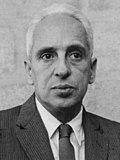
 United States of America
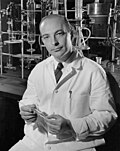
United States of America
Explanation
Inside our bodies there are two important kinds of “molecular letters.” DNA is the long book that stores the instructions to build us, while RNA is the copy that carries specific pages to the cell’s factories. In the 1950s nobody knew exactly how cells made these copies. Severo Ochoa and Arthur Kornberg discovered special worker proteins called enzymes that link the building blocks together to create DNA and RNA. Thanks to their work, doctors and scientists can now test diseases and invent new medicines.
Related Keywords
ribonucleic acid (RNA)
Ribonucleic acid (RNA) is a polymer of nucleotides containing ribose sugar. Besides messenger RNA that conveys genetic messages, there are many types such as ribosomal RNA and transfer RNA that participate in protein synthesis. Although usually single-stranded, RNA forms complex secondary structures through intramolecular base pairing and can act as a catalytic ribozyme. Several viruses use RNA as their genetic material, and studying them has driven the progress of molecular biology. The 1959 Nobel work was the first to demonstrate enzymatic RNA chain synthesis in vitro, laying the foundation for modern RNA biology.
deoxyribonucleic acid (DNA)
Deoxyribonucleic acid (DNA) is a double-helical polynucleotide that stores hereditary information. Each nucleotide consists of deoxyribose, phosphate, and one of four bases (A, T, G, C) stabilized by complementary base pairing. During replication, the strands separate and each serves as a template for semi-conservative synthesis of a new strand. DNA damage and mutations supply genetic diversity but can also cause cancer and inherited diseases, hence multiple repair pathways exist. Kornberg’s discovery of DNA polymerase I provided the molecular basis for the high fidelity of DNA replication and enabled medical diagnostics and DNA sequencing technologies.
RNA polymerase
RNA polymerase is the enzyme that synthesizes RNA from a DNA template, executing transcription. While bacteria have a single polymerase, eukaryotes employ several forms, notably polymerases I, II, and III, each targeting specific gene classes. The enzyme recognizes promoter sequences, locally unwinds the duplex DNA, and incorporates ribonucleoside triphosphates one base at a time. Elongation factors and RNA-modifying proteins associate with the complex to regulate speed and accuracy. Although Ochoa’s work dealt with PNPase rather than natural RNA polymerase, it introduced the concept of enzymatic RNA synthesis and paved the way for later purification of bona fide RNA polymerases.
DNA polymerase
DNA polymerase is the central enzyme of DNA replication and repair, adding deoxynucleotides complementary to a template strand. Multiple families exist, such as bacterial polymerase III and eukaryotic polymerases δ and ε that carry out high-fidelity replication. The reaction requires divalent metal ions (Mg2+ or Mn2+) and often accessory factors like primers and sliding clamps to enhance processivity. Kornberg’s DNA polymerase I, while primarily involved in Okazaki fragment processing and repair in vivo, served as the prototype enzyme in molecular biology laboratories for decades. Structural studies of DNA polymerases now guide the design of antiviral and anticancer drugs.
transcription
Transcription is the process of copying genetic information from DNA into RNA, representing the first step in protein production. RNA polymerase binds to a promoter, unwinds the double helix, and polymerizes ribonucleotides along the template strand. Epigenetic histone modifications and transcription factors finely tune the initiation of transcription. Variation in transcription rate and alternative splicing produces different isoforms and enables diverse cellular functions. The 1959 Nobel award provided the molecular starting point for dissecting transcription mechanisms, accelerating promoter mapping and regulatory network studies.
DNA replication
DNA replication is essential for faithfully transmitting genetic information during cell division. Helicases open the double helix, and leading and lagging strand syntheses follow different strategies. DNA polymerase extends primers in the 5′→3′ direction, forming Okazaki fragments on the lagging strand. Proofreading and mismatch repair keep the error rate to roughly one mistake per hundred million bases. Kornberg’s achievement opened the door to reconstitution of the replication machinery, facilitating regenerative medicine and genome-editing technologies that require high-fidelity DNA synthesis.
nucleotide
Nucleotides are the building blocks of nucleic acids, each composed of a sugar, a phosphate, and a nitrogenous base. Molecules like ATP and GTP also act as universal energy carriers that drive metabolism. The sequence of nucleotides encodes genetic information, and even single substitutions or deletions can drastically affect phenotype. Ochoa and Kornberg used nucleoside triphosphates as substrates and traced their enzymatic polymerization with biochemical assays. Today, synthetic nucleotides are incorporated into antisense drugs and mRNA vaccines, broadening the applications of nucleic acid biology.
polynucleotide phosphorylase
Polynucleotide phosphorylase (PNPase) catalyzes the reversible polymerization of RNA using ribonucleoside diphosphates while releasing inorganic phosphate. Ochoa first purified the enzyme from bovine heart mitochondria in 1955, and similar enzymes were later found in Escherichia coli. Because PNPase does not require a template, it can generate homopolymeric RNAs such as poly-C or poly-U that are valuable experimental reagents. In vivo, the enzyme more commonly degrades RNA and participates in regulatory processing of small RNAs. Although not explicitly named in the 1959 citation, the discovery of PNPase was decisive for understanding RNA synthesis mechanisms.