1966 Nobel Prize in Physiology or Medicine(2)
Reason for Award
discoveries concerning hormonal treatment of prostatic cancer
Laureates
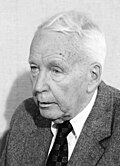
 United States of America
Explanation
Inside the body there are signaling chemicals called hormones, such as testosterone. Charles Huggins discovered that prostate cancer cells depend on this hormone to grow. He showed in patients that if you lower or stop the hormone, the cancer shrinks. It was the first successful example of “starving” a cancer. The idea still helps many people today.
Related Keywords
prostate cancer
An adenocarcinoma arising in the male prostate whose incidence rises with ageing. It shows strong androgen dependence, making hormone therapy a central treatment.
androgen deprivation therapy (ADT)
A treatment strategy that lowers testosterone through surgery or drugs to curb tumour growth. Originating from Huggins’ work, it now employs LHRH agonists and anti-androgens.
testosterone
The principal male hormone synthesized in the testes. It drives metabolism and division of prostate-cancer cells, so lowering its level causes tumour regression.
androgen receptor
A ligand-dependent transcription factor that binds testosterone in the nucleus and regulates gene transcription. Targeted inhibition is indispensable in prostate-cancer therapy.
castration resistance
The phenomenon in which tumours resume growth after prolonged hormone therapy. It stems from AR genetic alterations or hormone-independent mechanisms and is countered by second-generation agents.